Simple Water Softeners
  • Img
    email us
    lisa@simplewatersofteners.com
  • Img
    Call Us

    (210) 960-2555

Simple Water Softeners
  • WHY SIMPLE?
  • RESIDENTIAL
    • Size Calculator
    • Simple 30
    • Simple 45
    • Simple 60
    • Simple 80K Best Water Softener System for Home in San Antonio Texas
    • Simple Twin 30 Water Softener System for Home
    • Simple Twin 45 – Best Water Softener System for Home
    • Simple Twin 60 Water Softener System for Home
    • Simple Premier 30K Whole House Filtration & Water Softener
    • Simple Premier 45K Whole Home Water Filtration and Softener Solution
    • Whole Home Water Filters
    • Gallery Installations
  • COMMERCIAL
  • REVERSE OSMOSIS
    • Simple Water Maker
    • Filters of Reverse Osmosis Water Softener System
  • WELL WATER
    • Iron Filtration in Well Water Softener System
    • Chlorinator in Well Water Softener System
    • Retention Tanks in Well Water Softener System
    • Best Well Water Softener in San Antonio Texas
  • SERVICES
    • Water Softener Installation Near Me in San Antonio Texas
    • Water Softener System Maintenance and Repair in San Antonio Texas
    • Parts of Water Softener Commercial and Home System
    • Salt for Water Softener System
    • Water Hardness Calculator
  • CONTACT
  • BLOG
Free Estimate
  1. Home > BLOG > San Antonio Hard Water

10 Jan. 2025

How Hard Water Affects Your Skin and Hair During Winter

Winter often brings challenges for your skin and hair, but did you know that hard water can worsen these seasonal woes? With high levels of calcium and magnesium, hard water can leave your skin feeling dry and itchy and your hair brittle and unmanageable. Fortunately, there’s a solution: installing a water softener.

In this blog, we’ll explore how hard water impacts your skin and hair during winter and how a water softener can help.


What is Hard Water?


Hard water contains minerals like calcium and magnesium, which leave a residue on your skin and hair. This residue can block moisture, leading to dryness and irritation. During winter, the effects of hard water become more noticeable as cold temperatures and indoor heating already strip your skin and hair of their natural hydration.


The Impact of Hard Water on Skin


  1. Dryness and Irritation
    Hard water creates a mineral film on your skin, making it harder for moisturizers to penetrate. This leads to dry, flaky skin that feels tight and uncomfortable.
  2. Exacerbation of Skin Conditions
    Eczema and psoriasis can worsen with hard water exposure, as mineral buildup irritates sensitive skin.
  3. Clogged Pores and Dull Skin
    Residue from hard water can clog pores, leaving skin looking dull and feeling itchy.


The Impact of Hard Water on Hair


  1. Brittle, Frizzy Hair
    Hard water prevents conditioners from fully penetrating hair strands, resulting in dryness, frizz, and split ends.
  2. Scalp Issues
    The minerals in hard water can dry out your scalp, causing dandruff and irritation.
  3. Dull Appearance
    Hard water leaves a residue on your hair, making it look limp and lifeless.


How a Water Softener Can Help


  1. Hydration and Moisture Retention
    Soft water prevents mineral buildup, allowing your skin and hair to retain their natural moisture.
  2. Improved Product Absorption
    Without mineral residue, moisturizers and conditioners work more effectively, leaving you with smooth skin and soft, shiny hair.
  3. Healthier Skin and Hair
    Soft water reduces irritation, making it an excellent choice for sensitive skin and scalp conditions.


Take Action Today for Healthier Skin and Hair


This winter, don’t let hard water steal your comfort. At Simple Water Softeners, we offer affordable, efficient water softener systems tailored to your home’s needs. Fill out our online form today for a free consultation, and take the first step towards softer water and healthier skin and hair.

  • By:Lisa Bauer

08 Nov. 2024

Common Myths About Water Softeners: What San Antonio Homeowners Should Know This Fall
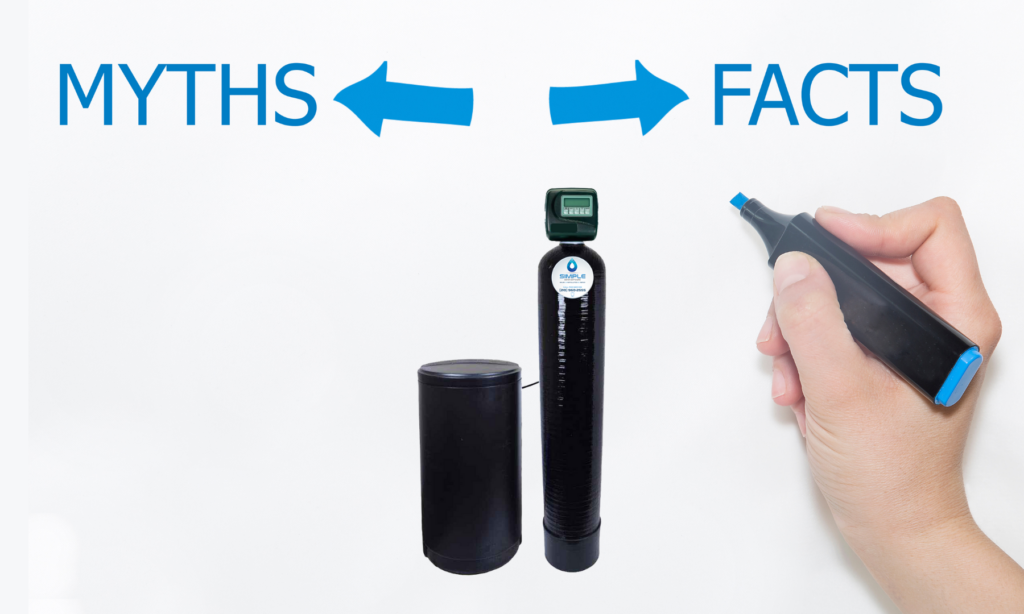
Water softeners play a crucial role in combating the hard water issues that are common in San Antonio. However, there are many myths and misconceptions surrounding these systems, which can lead homeowners to misunderstand their benefits or hesitate to invest in one. This fall, let’s debunk some of the most common myths about water softeners and set the record straight for San Antonio homeowners.


Myth 1: “Water Softeners Make Your Water Salty”

One of the most widespread myths is that water softeners add salt to your drinking water, making it taste salty. In reality, water softeners don’t add salt to the water supply. Instead, they use a process called ion exchange, where sodium ions replace the hard minerals like calcium and magnesium. The amount of sodium introduced into the water is minimal and generally imperceptible.

  • The Truth: Your softened water won’t taste salty. The small amount of sodium added is usually far below the threshold for a noticeable taste.


Myth 2: “Soft Water Is Bad for Your Health”

Some people believe that soft water, because of the small sodium content, could be harmful to your health. This is particularly concerning for individuals on low-sodium diets. However, the sodium levels added by water softeners are extremely low. In fact, an 8-ounce glass of softened water contains less sodium than a slice of bread.

  • The Truth: For most people, the amount of sodium added to softened water poses no health risk. If sodium intake is a concern, you can opt to use potassium-to regenerate.  Water softeners work off potassium or salt.  You can also install a reverse osmosis system for drinking water and remove 97% of the sodium. We advise talk to your doctor for your health concerns.


Myth 3: “Water Softeners Waste Water”

Some homeowners worry that water softeners use too much water during the regeneration process. While older models may have been less efficient, modern water softeners are designed to minimize water usage. Additionally, newer systems can be programmed to regenerate only when necessary, making them far more eco-friendly than their predecessors.

  • The Truth: Today’s water softeners are highly efficient and use minimal water. Plus, by preventing scale buildup in your pipes and appliances, they can help reduce overall water and energy usage in your home.


Myth 4: “Softened Water Damages Your Plants”

There’s a common belief that softened water, because it contains sodium, is harmful to plants. While it’s true that sodium can affect plant growth, the amount present in softened water is usually not enough to cause any damage to hardier plants. Delicate plants like orchids and African violets use water from outside or a reverse osmosis. That said, for outdoor irrigation the hose bibs should be plumbed hard water.

  • The Truth: Softened water is safe for most indoor plants. You can get a soft water hose bib or even a hard water bib installed in the garage. Or you can use potassium to regenerate your water softener if you are a plant enthusiast.


Myth 5: “Water Softeners Are Expensive to Maintain”

Many homeowners assume that the cost of maintaining a water softener outweighs the benefits. However, regular maintenance is simple and inexpensive. The primary maintenance task is ensuring there’s enough salt in the brine tank, which is a low-cost investment. Additionally, the long-term savings on plumbing repairs, appliance longevity, and reduced energy bills far outweigh the minimal maintenance costs.

  • The Truth: The cost of maintaining a water softener is minimal compared to the long-term benefits of having one, such as reduced energy bills, fewer plumbing issues, and longer-lasting appliances.


Myth 6: “You Don’t Need a Water Softener in San Antonio”

Some homeowners in San Antonio believe that hard water isn’t a significant issue, and a water softener isn’t necessary. However, San Antonio’s water is notoriously hard, with high levels of calcium and magnesium that can damage pipes, appliances, and even your skin and hair over time.

  • The Truth: Water softeners are essential in San Antonio to combat the high mineral content in the local water supply. Investing in a water softener will protect your home and improve your water quality.


Myth 7: “Soft Water Feels Slimy or Unclean”

Soft water can feel different than hard water, often described as “slippery” or “slimy.” This sensation is due to the absence of hard minerals like calcium and magnesium, which tend to leave a film on your skin. Soft water allows soap to lather and rinse off more effectively, leaving your skin feeling cleaner rather than coated with a mineral residue.

  • The Truth: The “slimy” feeling of soft water is actually a sign that your skin is cleaner. Soft water helps soap and shampoo rinse off more thoroughly, leaving your skin and hair feeling smooth and healthy.


Myth 8: “Water Softeners Are Bad for the Environment”

Some homeowners worry that water softeners, especially those that use salt, may harm the environment. While there is some concern over the discharge of salt into wastewater systems, advancements in technology have made water softeners much more eco-friendly. Water softeners work off gallons used. So it is important to have your system set up properly.  Moreover, they reduce energy consumption by preventing scale buildup in water heaters and other appliances.

  • The Truth: Modern water softeners are designed to be efficient and eco-friendly, and the energy savings they provide more than offset the small amount of salt they discharge. You can always use potassium , all water softeners work off salt or potassium.


Conclusion: Understanding the truth behind these myths can help San Antonio homeowners make informed decisions about water softeners. With San Antonio’s hard water challenges, having a water softener is more than just a luxury—it’s a necessity. By debunking these common misconceptions, you can confidently invest in a water softening system that will protect your home and improve your quality of life. For more information or to schedule a consultation, contact Simple Water Softeners today!

  • By:Lisa Bauer

04 Oct. 2024

Fall Maintenance Tips for Your Water Softener System
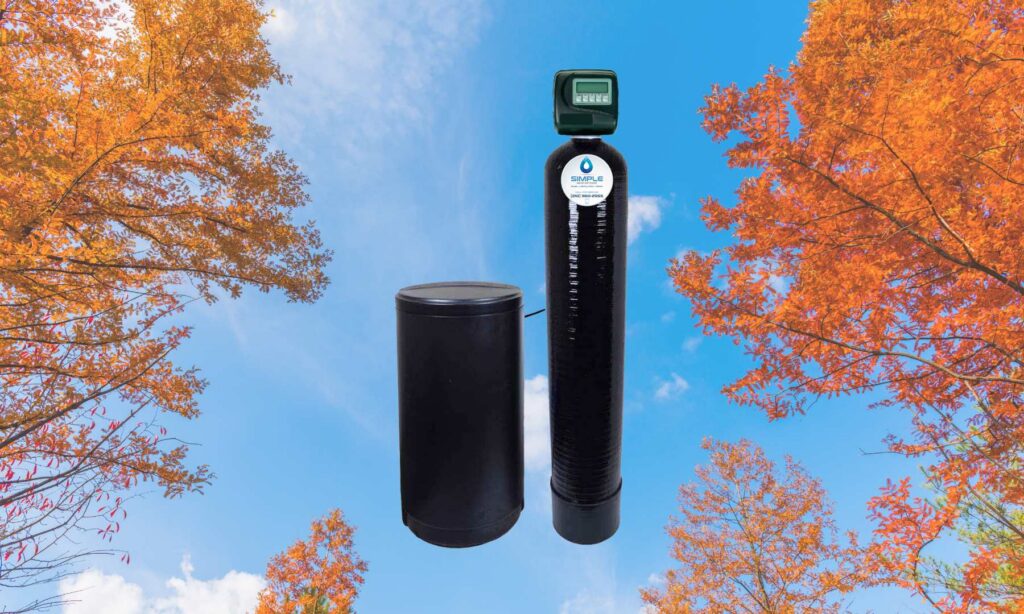
As fall brings cooler temperatures and shifts in daily routines, it’s essential to ensure your water softener system is running smoothly. With the upcoming winter months, you want to avoid any disruptions that could impact your home’s water quality. To help, we’ve created a simple checklist of fall maintenance tips that will keep your water softener in top shape throughout the season.


1. Inspect the Salt Level

The salt in your brine tank plays a vital role in regenerating the resin beads that soften your water. During fall, it’s important to check your system’s salt level at least once a month. Make sure the salt is no lower than the halfway point. If it’s too low, your water softener won’t be able to perform effectively.

  • Pro Tip: Use high-quality salt pellets to reduce buildup and ensure optimal performance.


2. Clean the Brine Tank

Over time, impurities from salt can build up in your brine tank, leading to what’s known as a “salt bridge” or “mushing.” This can prevent your system from properly softening the water. Fall is a great time to clean the tank and remove any salt buildup or sediment.

  • How to clean: Simply disconnect the power, remove any salt, and scrub the inside with warm water and dish soap before refilling with fresh salt.


3. Check for Salt Bridges

Salt bridges can form when salt hardens and creates a crusty layer inside the brine tank. This can disrupt the regeneration process and reduce the effectiveness of your system. After checking your salt levels, gently tap the top of the salt with a broom handle to see if it’s hardened. If you find a salt bridge, break it up carefully.


4. Test Water Hardness

As the seasons change, the hardness level of your water may fluctuate. It’s a good idea to test your water hardness during the fall to make sure your water softener settings are calibrated correctly. You can purchase a simple water hardness test kit or request professional testing.

  • Adjustment: If the hardness level has changed, adjust your water softener’s settings accordingly to ensure efficient operation.


5. Inspect and Clean the Resin Beads

The resin beads inside your water softener are responsible for attracting and removing minerals that cause hard water. Over time, they can become clogged with iron or other impurities. Cleaning the resin bed with a special resin cleaner ensures that your system can continue to function effectively.

  • Pro Tip: You may want to schedule a professional cleaning or use a resin cleaner every six months to maintain optimal efficiency.


6. Flush the System

Occasionally flushing your water softener system is a good way to remove any lingering debris or buildup in the unit. This helps keep your system running smoothly and can prevent clogging.

  • Simple flush: Manually initiate a regeneration cycle or follow the manufacturer’s instructions to run a full system flush.


7. Inspect Hoses and Connections

Fall is the perfect time to inspect all the hoses and connections on your water softener. Look for any signs of wear, leaks, or corrosion, especially if your system is located in a damp or cold area, such as a basement or garage.

  • Pro Tip: If you find any cracks or leaks, it’s important to replace the affected parts to prevent further damage.


8. Check the Bypass Valve

The bypass valve allows you to control the flow of water in and out of the water softener. Make sure the valve is working properly and isn’t clogged with debris. This will ensure your system operates efficiently and provides soft water when needed.


9. Review the System Manual

If it’s been a while since you last looked at your water softener’s manual, now’s a great time to review it. The manual may include specific fall or seasonal maintenance tips for your particular model. This can help you stay on top of any unique tasks that could prolong the life of your system.


10. Schedule a Professional Tune-Up

While many maintenance tasks can be done yourself, scheduling a professional water softener tune-up is a great idea during the fall. A qualified technician can inspect all parts of the system, check for any issues you may have missed, and perform a thorough cleaning to keep your system running efficiently.


Conclusion

 By following these fall maintenance tips, you can ensure your water softener continues to provide soft, clean water throughout the cooler months. Regular upkeep not only improves the performance of your system but also extends its lifespan, saving you money in the long run. For any questions or to schedule a professional tune-up, contact Simple Water Softeners today!

  • By:Lisa Bauer

12 Jun. 2024

The Impact of High Temperatures on Water Quality

  1. Increased Mineral Concentration
    • During summer, water levels in reservoirs and rivers can drop due to evaporation. This results in higher concentrations of minerals like calcium and magnesium in the water supply. These minerals contribute to water hardness, which can cause scaling in pipes, reduce the effectiveness of soap and detergents, and leave unsightly spots on dishes and fixtures. Water hardness does fluctuate.
  2. Higher Water Usage
    • Hot weather often leads to increased water usage as people take more showers, fill up swimming pools, and water their lawns and gardens more frequently. This spike in demand can strain municipal water supplies, sometimes leading to temporary compromises in water quality.
  3. Biological Contaminants
    • Warm temperatures can promote the growth of bacteria and algae in water sources. While municipal water treatment facilities are equipped to handle these contaminants, occasional lapses can occur, especially during peak usage times.A UV light will guarantee you to have no bacteria in your water.


How Water Softeners Help

  1. Removing Hard Minerals
    • Water softeners are designed to remove calcium and magnesium ions from your water through a process called ion exchange. This process replaces hard minerals with sodium or potassium ions, resulting in softer water that is gentler on your plumbing and appliances.
  2. Protecting Your Appliances
    • Soft water helps prevent the buildup of scale in your water heater, dishwasher, and other appliances. This not only extends their lifespan but also ensures they operate more efficiently, saving you money on energy bills.
  3. Improving Skin and Hair Health
    • Soft water is kinder to your skin and hair. Hard water can strip away natural oils, leading to dryness and irritation. By using a water softener, you can enjoy softer, smoother skin and hair, even during the hottest months.
  4. Enhanced Cleaning Efficiency
    • With soft water, soaps and detergents lather better and rinse more completely. This means cleaner clothes, dishes, and surfaces with less effort and fewer cleaning products.


Tips for Keeping Your Water Soft During Summer

  1. Regular Maintenance
    • Ensure your water softener is properly maintained. Check the salt levels in the brine tank regularly and add salt as needed. Clean the brine tank periodically to prevent salt bridges and other issues.
  2. Monitor Water Usage
    • Be mindful of your water usage during peak times. Your valve will tell you how much water goes into the house every day for the last 63 days. Watch the flow rate meter to detect if there is a leak in the house. This will make you a good neighbor and ensure your house is running correctly in many aspects.
  3. Consider a Whole House Filter
    • Installing a Whole House Filter can help remove chemicals (Chlorine, Herbicides, Pesticides and Organics) from your water before it reaches the water softener. This can improve the efficiency and lifespan of your water softening system.
  4. Schedule Professional Inspections
    • Have a professional inspect your water softener system when you are having issues. People who are licensed in Water Treatment from the State of Texas, know how to repair water softeners. People who do not know how to repair will say replace. If you have bought off the internet or a big box store you will probably dispose of and start over. But if you bought a high quality system reach out to someone to repair the system will probably be kept going for 12 to 15 years plus.


Conclusion

Maintaining soft water quality during the summer months is essential for protecting your home’s plumbing, appliances, and your family’s well-being. By understanding the impact of high temperatures on water quality and taking proactive steps with your water softener, you can enjoy the benefits of soft water all summer long. For more tips and professional assistance, contact Simple Water Softeners at (210) 960-2555. We’re here to help you keep your water soft and your home running smoothly, no matter the season.

  • By:Lisa Bauer

15 May. 2024

Maximize Your Water Quality: Simple Water Softeners’ Water Hardness Calculator
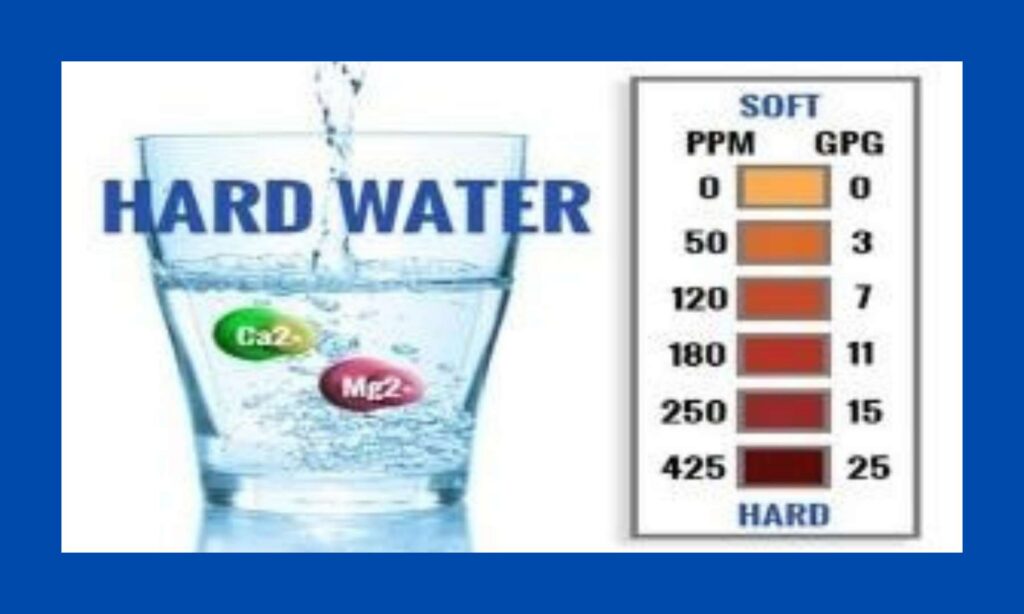
Remember to check out Simple Water Softeners’ Water Hardness Calculator! If you’re experiencing issues like scale buildup on your fixtures and appliances or dry skin and hair, hard water might be the culprit. Our Water Hardness Calculator is here to help you identify your water’s hardness level and find the perfect solution.


What is the Water Hardness Calculator?

Our Water Hardness Calculator is an easy-to-use online tool designed to help you determine the hardness of your water. By simply entering a few details about your location, you can get an accurate reading of your water’s hardness level. This information is crucial for selecting the right water softener system for your needs.


Why Use the Water Hardness Calculator?

Using our Water Hardness Calculator offers several benefits:

  1. Accurate Readings: Get precise information about the hardness level of your water, so you can make informed decisions.
  2. Customized Solutions: Based on the hardness level, find the best water softener system tailored to your specific needs.
  3. Cost Savings: Avoid unnecessary expenses by choosing the right system from the start, preventing potential damage to your plumbing and appliances.
  4. Improved Health and Comfort: Enjoy softer skin and hair, and extend the lifespan of your household appliances.


How to Use the Water Hardness Calculator

Using the Water Hardness Calculator is simple:

  1. Visit the Simple Water Softeners website.
  2. Navigate to the Water Hardness Calculator page.
  3. Enter your location details.
  4. Get your water hardness results instantly.


Ready to take control of your water quality? Head over to our Water Hardness Calculator and find out your water’s hardness level today!

If you have any questions or need further assistance, don’t hesitate to reach out. Contact Lisa at Simple Water Softeners for personalized support and more information.

Transform your water and your home with Simple Water Softeners – because you deserve the best!

  • By:Lisa Bauer

01 Feb. 2024

Winter Skincare: The Role of Soft Water in Hydration
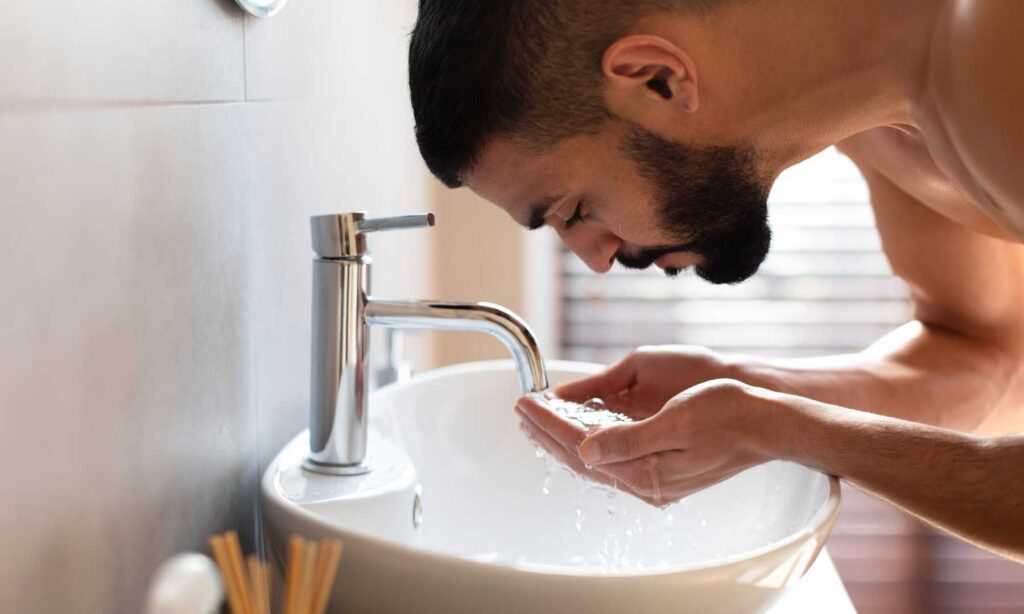
Winter brings with it a magical atmosphere, but for our skin, it often means facing the challenges of harsh weather conditions. As the temperature drops, the air becomes drier, and many of us experience the discomfort of dry, itchy skin. If you’ve been battling winter skin blues, your water might be a silent culprit. In this blog post, we’ll explore the impact of hard water on your skin during the winter months and how a water softener can be a game-changer for achieving hydrated, healthy skin.

Read More

  • By:Lisa Bauer

07 Jun. 2023

Water softeners help people in San Antonio with hard water problems.
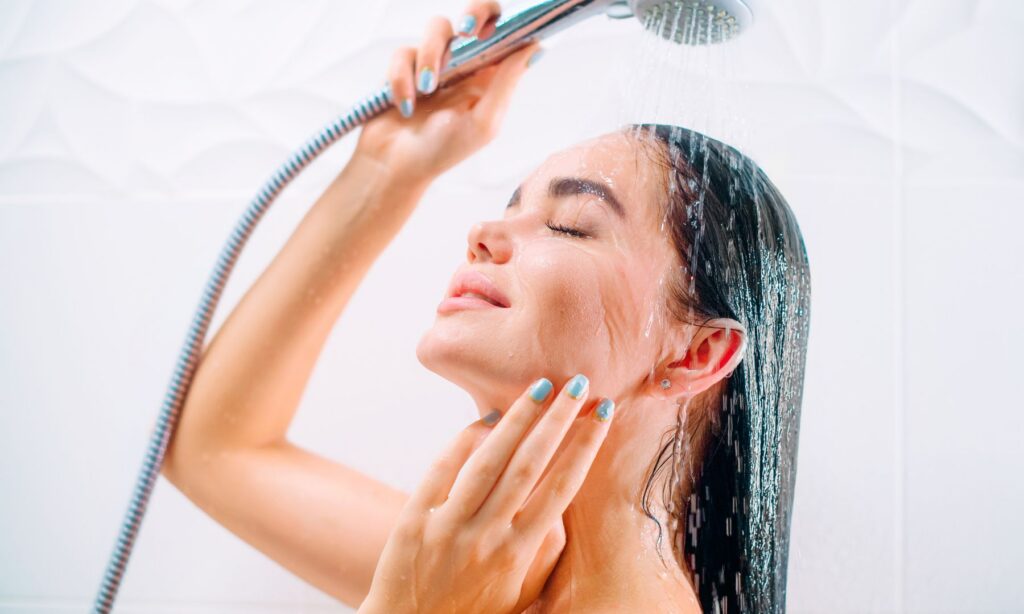
Water softeners offer several benefits, especially in San Antonio and surrounding areas. We have some of the hardest water in the United States. Here are some of the advantages of using a water softener:

Read More

  • By:Lisa Bauer

04 May. 2023

The Essential Role of Water Softeners in San Antonio Homes

In San Antonio and its surrounding areas, water softeners are more than just a luxury; they’re an essential appliance for protecting your home and enhancing your quality of life. Just as we invest in health, auto, and home insurance, it’s important to ensure that all water-using appliances in your home are safeguarded. A water softener acts as an insurance policy for everything that comes into contact with water in your home.

Read More

  • By:Lisa Bauer

17 Apr. 2023

Comparing Salt-Based and Salt-Free Water Softening Systems

Are you tired of dealing with the effects of hard water in your home? You may be considering a water softener but feel overwhelmed by the choices between salt-based and salt-free systems. Why should you carry bags of salt if there is a salt-free alternative, right? Before making a decision, it’s crucial to understand how these systems work and their benefits and limitations.

Read More

  • By:Lisa Bauer

05 Apr. 2023

Solving Low Water Pressure Issues: The Hidden Culprit in Your Water Softener

Low water pressure in your home can be frustrating and inconvenient, impacting everything from showering to washing dishes. If you’ve noticed fluctuating water pressure or a sudden drop in pressure, your water softener might be the culprit. In this blog post, we’ll explore the connection between water pressure and water softeners, as well as provide guidance on troubleshooting and resolving the issue.

Read More

  • By:Lisa Bauer
  • 1
  • 2
  • 3
Categories
  • Activated Carbon Filter
  • Bathroom
  • Brine Tank Maintenance
  • Economic Benefits
  • Environmental Benefits
  • Hard Water
  • Hard Water Calculation
  • Heating & Cooling
  • Low Water Pressure
  • New Water Softener
  • Pets Water
  • Potassium
  • Pumbling
  • Residential Water Softener Size
  • Retention Tanks
  • Reverse Osmosis
  • Safe Drinking Water
  • Salt for Water Softeners
  • Salt Valet
  • San Antonio Hard Water
  • Skincare
  • Uncategorized
  • Water Conditioner
  • Water Filtration
  • Water Quality
  • Water San Antonio
  • Water Softener
  • Water Softener Battery
  • Water Softener Maintenance
  • Water Softeners Benefits
  • Well Water
  • Whole House Filter
  • Whole House Filtration
  • New Year, Better Water: Why January Is the Best Time to Service Your Water Softener 15 Jan 2026
  • Can Cold Weather Damage Your Water Softener? What Texas Homeowners Should Know 16 Dec 2025
  • Holiday Hosting Prep: Make Sure Your Water Softener Is Ready for Guests 13 Nov 2025
  • Read more Blogs
Recent Posts
  • New Year, Better Water: Why January Is the Best Time to Service Your Water Softener
  • Can Cold Weather Damage Your Water Softener? What Texas Homeowners Should Know
  • Holiday Hosting Prep: Make Sure Your Water Softener Is Ready for Guests
  • Common Myths About Water Softeners San Antonio Homeowners Should Know This Fall
  • The Impact of Hard Water on Your Appliances: Fall Maintenance Tips

WHY SIMPLE?

Abel and Lisa have worked in the water softener industry for more than 25 years combined. Abel is certified by the state of Texas as a Class III water specialist and focuses on repairs and installs.

26610 US HWY 281 N.
San Antonio, Texas 78260
T: (210) 960-2555

IMPORTANT LINKS

  • Best Water Softener System for Home / Residential in San Antonio Texas
  • Commercial Water Softener System in San Antonio Texas
  • Reverse Osmosis Water Softener
  • Well Water Systems
  • Get Quote
  • Privacy Policy
  • Terms and Conditions

SERVICES

  • Water Softener Installation Near Me in San Antonio Texas
  • Parts of Water Softener Commercial and Home System
  • Water Softener System Maintenance and Repair in San Antonio Texas
  • Salt for Water Softener System
  • Water Hardness Calculator

Follow us

© 2025 Simple Water Softeners. All rights reserved. Proudly serving San Antonio, Texas and Surrounding Areas.
Privacy Policy