


Long-Term Value of Systematic Hardware Upkeep
Selecting the most appropriate maintenance routine for your specific mechanical components yields a substantial long-term economic advantage that clearly justifies the initial time invested in assessing the functional state of the water softener. A properly supervised treatment system will continue to operate with remarkable stability and effectiveness when regular part inspections are performed to manage daily mineral accumulation. Ultimately, the proactive effort of ensuring the consistent operation of the control valves and storage tanks is entirely balanced by the professional security and enduring structural health it grants to the residence over many years.
Main Components Involved in Regeneration
A water softener is only as effective as the components that keep its regeneration cycle running properly. Behind the process that restores soft water lies a coordinated system of parts working with precision: the control valve, the brine tank, the resin tank, and the drain line. Each one plays a distinct role in removing hardness minerals and maintaining consistent water quality throughout the home. Understanding how these components function is essential for homeowners who want to protect their plumbing, improve system performance, and avoid costly mechanical issues.
Main Components Involved in Water Softener Regeneration
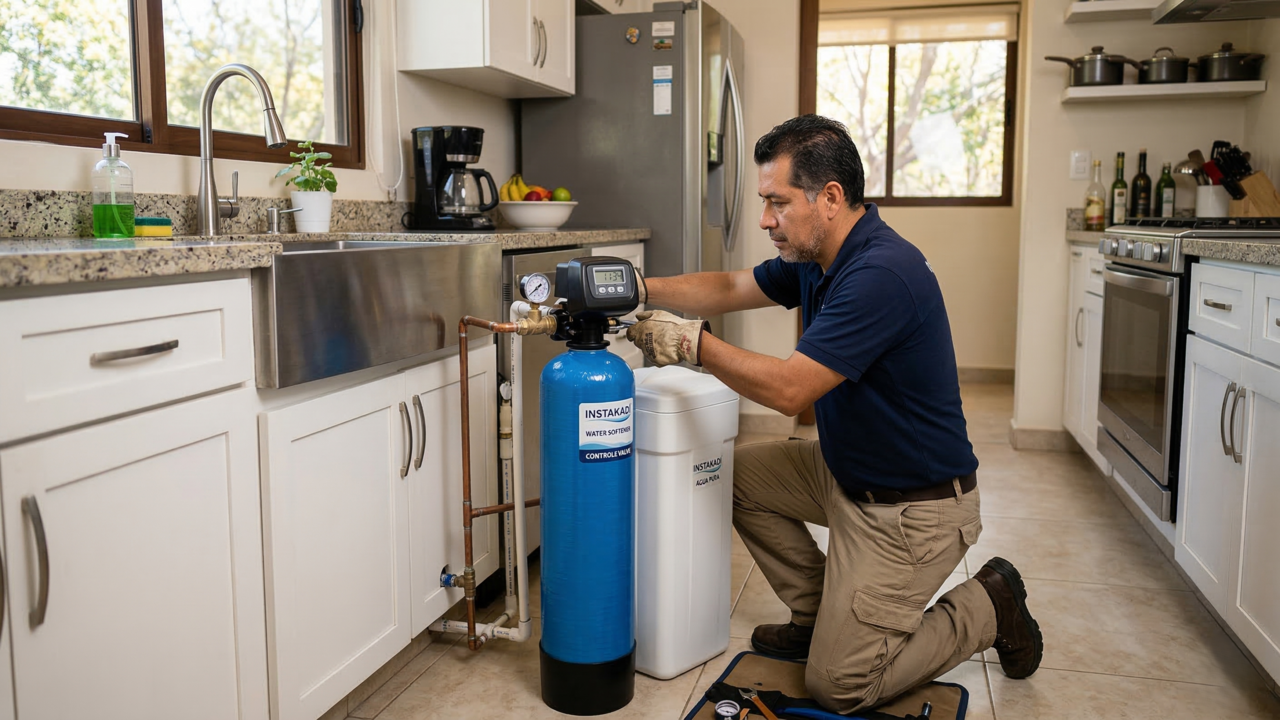
In the complex and technically balanced world of contemporary home water filtration, the system’s reliable operation depends on a number of vital mechanical components operating in perfect unison to preserve the purity of the domestic supply. This complex treatment network depends on a number of internal units and operational pathways that are frequently misinterpreted by proactive residents who merely wish to maintain the quality of their plumbing in a sincere effort to find a clear routine for their equipment without understanding the specialized engineering within each component. To completely grasp how brine flow and resin activation work together to retain the soft water output, it is necessary to methodically observe how each component contributes to the chemical cleaning process when choosing the best maintenance strategy for a particular property’s unique mineral levels. Ultimately, this careful planning is what ensures reliable appliance protection and avoids the common mistake of ignoring minor mechanical irregularities that might indicate a worn seal or a blocked line rather than addressing the crucial requirement for complete system integrity over the long term, which essentially ensures a dependable environment and a lower utility bill. This comprehensive approach complies with contemporary household rules and allows people to successfully and simply improve their immediate living conditions by treating each part of the filtering loop as an essential asset rather than a secondary attachment.
Even though the salt tank was correctly filled, Brandon noted that the water quality in his showers was becoming a little less consistent immediately after his system finished its typical evening cycle. Brandon spent a busy morning keeping an eye on his taps, assuming the everyday domestic problem was just a brief drop in pressure that could be disregarded. However, he soon found that the underlying mechanical assembly was still inherently dependent on the exact timing of each internal valve. Caught between a growing buildup of mineral residue on his dishes and the realization that his treatment infrastructure required a more defined component strategy, Brandon thought carefully about his gradual learning curve with regard to residential machinery. Eventually, he consulted a local specialist who clearly explained the functions of the brine intake and the control head to permanently and gracefully resolve his concerns without ever having to replace the entire unit. With the knowledge that the underlying components were silently and effectively controlling the mineral balance precisely as they were intended to do while shielding his plumbing from needless wear, this intelligent finding enabled him to completely appreciate his renovated living environment.
Control Valve Functions During Regeneration
The effective control valve, which serves as the main brain of the entire assembly by smoothly directing the flow of water into various internal channels at precisely the right moment to initiate the cleaning sequence, is where the basic orchestration of a modern water treatment cycle starts. Through the strategic monitoring of the automated timer or flow meter, which instructs the valve precisely when to shift into the backwash or brine draw phases to refresh the internal media, this incredibly dependable mechanical component is perfect for responsible residents seeking to maintain the chemical efficiency of their system (source: National Sanitation Foundation, 2023).
Consequently, this directing unit serves as an essential protective measure that thoughtfully ensures the water is channeled away from the home’s taps during the cleaning process, ensuring that the valuable resin bed is thoroughly rinsed to provide total peace of mind while simultaneously reducing the risk of hard water accidentally entering the domestic lines. In the end, depending on a fully functional control head necessitates an exact initial setup since a thorough comprehension of the system’s “regeneration stages” guarantees that the water flows smoothly through the various cycles without any unforeseen mechanical stalls that could cause schedule disruptions. By safely controlling the hydraulic shifts at their precise source before they can ever become a performance issue and enabling the system to function smoothly and efficiently behind the scenes, this extraordinarily careful approach to mechanical management easily turns problems into a highly functional and remarkably predictable domestic routine.
Brine Tank Role in Regeneration
The crucial function of the brine tank, which acts as the necessary storage reservoir for the concentrated salt solution required to chemically remove the minerals from the filtering medium, comes into focus once the control valve starts the cleaning process. Modern brine units use clear safety floats and robust brine wells to signal a properly balanced salt-to-water ratio that is required for a successful ionic exchange during the middle of the night, whereas many earlier conventional tanks were just basic containers. The main function of the brine tank, according to professional water engineers, is to produce a heavy saturation of sodium ions, which the system then gently draws into the main tank to displace the captured calcium and magnesium that have accumulated over several days of usage (source: Water Quality Association (2024)).
It is practically guaranteed that the entire cleaning loop will remain completely stable and fully operational for many decades without requiring constant manual intervention or encountering annoying “salty water” spikes if the extra time is taken to properly monitor the salt levels and make sure the bottom of the tank remains free of “salt bridges”. When a hard crust forms above the water level, a hollow gap is created that keeps the salt from dissolving and stops the system from efficiently regenerating its softening capacity. This is how these bridges happen. In order to avoid this, homeowners should make sure that the fresh salt pellets can naturally fall into the water to maintain the necessary sodium saturation and regularly use a blunt object to gently break up any formed layers. Furthermore, keeping the brine tank lid tightly shut keeps dust or pet hair out of the air, which could eventually block the tiny brine line and result in a mechanical failure in the suction process. By carefully combining these simple yet incredibly effective storage functions and keeping a regular salt replenishment schedule, responsible residents create a good stable mineral environment that discreetly respects the property’s chemical limits while successfully performing an essential filtration service perfectly out of sight to guarantee the family’s continued comfort and safety.
Resin Tank and Drain System Operation
The resin tank, where the real mineral removal takes place, is the last and most important step in the interior cleansing process. It works in perfect harmony with the drain system, which safely removes the undesirable hard water from the property when cleaning is complete. Finding out that the resin tank is a highly active chemical vessel rather than merely a storage container is a common and entirely natural learning curve for new property owners. This simply means that the media eventually needs a vigorous rinse to safely restore the original flow and prevent the beads from becoming permanently clogged with silt. By ensuring that the discarded mineral water has a direct and safe path into the home’s wastewater system exactly as the manufacturers intended, properly facilitating these natural flushing rhythms through a clear and unobstructed drain line easily prevents the common issue of a sudden system overflow (source: International Association of Plumbing and Mechanical Officials (2024)).
In order to ensure that their softener will operate in perfect mechanical harmony with the home’s plumbing, the best and most dependable course of action for any modern resident is to do a basic preliminary check of the drain hose and gently monitor the resin tank for any signs of external leaks before the system reaches its final rinse. A proactive homeowner can accurately predict how their particular filtration loop will smoothly respond to variations in water quality by thoroughly understanding this remarkably rhythmic operational process. This results in a wonderfully balanced and profoundly reliable indoor space that confidently manages the domestic water needs while offering a truly satisfying and highly educational home maintenance project.
Conclusion
A very sensible and eco-friendly approach to contemporary property management is the strategic management of a residential water treatment system through the upkeep of its primary components, which puts mechanical efficiency and long-term plumbing health ahead of the easy and frequently ineffective practice of ignoring minor hardware problems. Residents can easily create a balanced indoor environment that calmly handles seasonal changes without ever putting undue stress on their equipment or budget by taking the time to understand their home’s natural mineral levels and how proper component care smoothly restores water quality across their property.
- To securely enable the automated cleaning cycles before the resin bed completely loses capacity, which could result in hard water entering the house, it is crucial to make sure the control valve is constantly operating.
- The system can produce a high-quality salt solution and ensure that the softener will continue to operate fully throughout the year without needless mechanical strain if the salt levels and brine tank cleanliness are correctly maintained.
- In order to ensure that the mineral discharge is precisely matched to the home’s real plumbing capacity, it is crucial to take a moment before the next cycle to check the drain line for any blockages following a particularly busy usage week.
Frequently Asked Questions
What is the specific mechanical role of the control valve during the various stages of the regeneration cycle?
The control valve acts as the system’s primary brain by using an internal motor and specialized gears to shift the water flow through different ports, which allows the unit to precisely alternate between backwashing the resin, drawing the brine solution, and finally rinsing the media before returning to normal service.
How does the brine tank safety float help to prevent accidental overflows or water damage in the home?
The safety float is a mechanical backup device that sits inside the brine well and automatically shuts off the incoming water supply if the level gets too high, which effectively prevents the tank from overfilling even if the main control valve’s timer happens to malfunction during the refill stage.
Why is it absolutely necessary for the resin tank and the drain system to remain perfectly clear of any physical obstructions?
It is necessary because the resin tank needs a steady flow of water to effectively displace minerals, and the drain system must be able to quickly carry away the salty discharge; if either path is blocked, the minerals cannot be removed from the property, which serves as a clear physical signal that the system’s original efficiency has been compromised.
Regular regeneration is not a minor technical detail; it is the core process that allows a water softener to do its job properly. By keeping salt levels in check, monitoring water quality, and scheduling the cycle at the right time, homeowners can prevent unnecessary wear and preserve the full capacity of the system. In practical terms, this means cleaner fixtures, more efficient appliances, and a more dependable supply of soft water throughout the home. A well-maintained softener is a smarter, more sustainable solution than reacting to hard water problems after the damage is already done.
Maximize Your Water Softener’s Potential – Request a Free Estimate Today
Please use the form below to request a free estimate and we’ll be back in touch with you as soon as possible. Alternatively you can give us a call at (210) 960-2555 for immediate Pricing and scheduling.