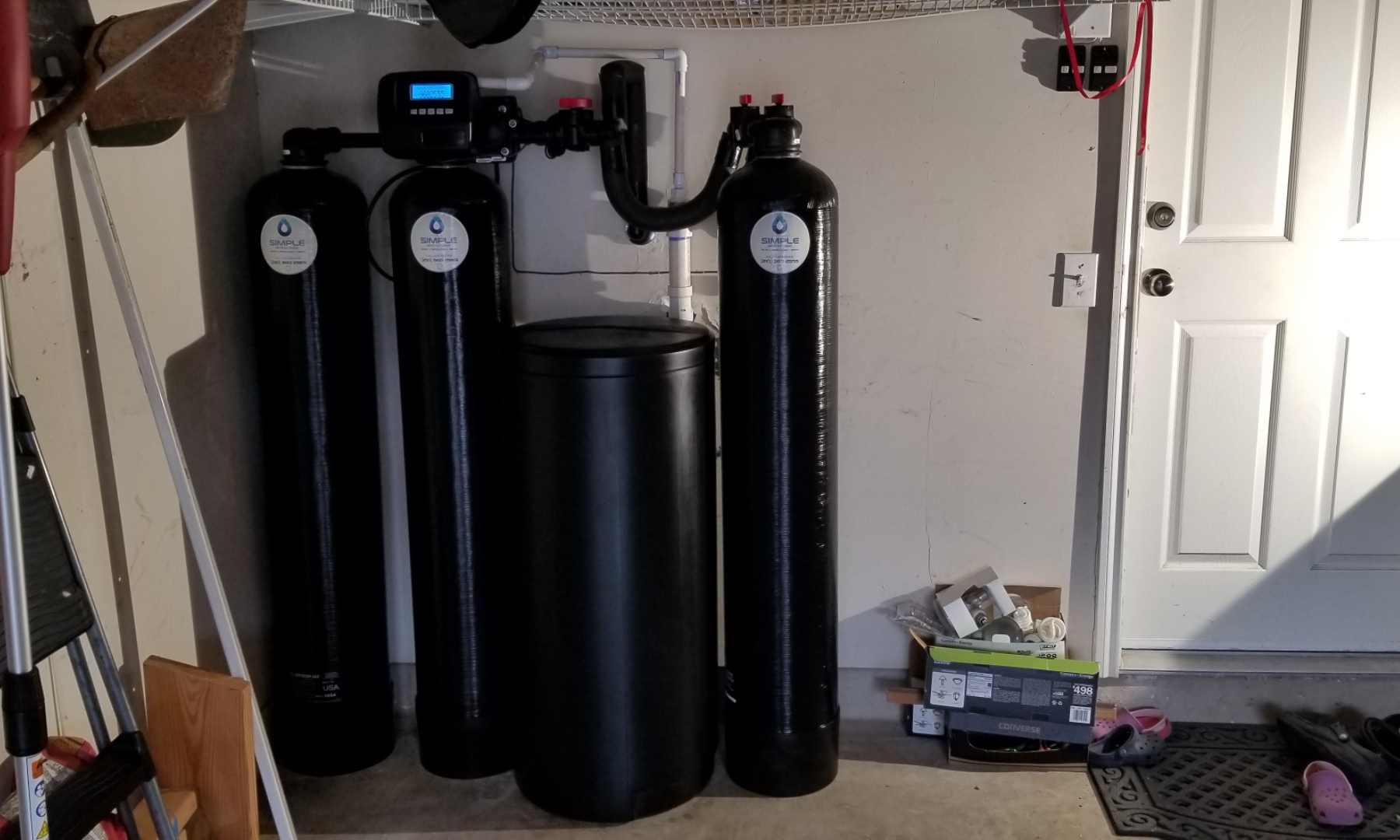
Simple Water Softeners
  • Img
    email us
    lisa@simplewatersofteners.com
  • Img
    Call Us

    (210) 960-2555

Simple Water Softeners
  • WHY SIMPLE?
  • RESIDENTIAL
    • Size Calculator
    • Simple 30
    • Simple 45
    • Simple 60
    • Simple 80K Best Water Softener System for Home in San Antonio Texas
    • Simple Twin 30 Water Softener System for Home
    • Simple Twin 45 – Best Water Softener System for Home
    • Simple Twin 60 Water Softener System for Home
    • Simple Premier 30K Whole House Filtration & Water Softener
    • Simple Premier 45K Whole Home Water Filtration and Softener Solution
    • Whole Home Water Filters
    • Gallery Installations
  • COMMERCIAL
  • REVERSE OSMOSIS
    • Simple Water Maker
    • Filters of Reverse Osmosis Water Softener System
  • WELL WATER
    • Iron Filtration in Well Water Softener System
    • Chlorinator in Well Water Softener System
    • Retention Tanks in Well Water Softener System
    • Best Well Water Softener in San Antonio Texas
  • SERVICES
    • Water Softener Installation Near Me in San Antonio Texas
    • Water Softener System Maintenance and Repair in San Antonio Texas
    • Parts of Water Softener Commercial and Home System
    • Salt for Water Softener System
    • Water Hardness Calculator
  • CONTACT
  • BLOG
Free Estimate
  1. Home > BLOG

18 Feb. 2026

February “Spring Cleaning” for Your Plumbing: Descale Faucets, Showerheads, and Appliances (San Antonio Edition)

If you live in San Antonio, you’ve probably seen it: chalky white buildup on faucets, cloudy glassware, and shower pressure that slowly drops over time. That’s because San Antonio Water System (SAWS) water is typically hard—about 15 to 20 grains per gallon (gpg), which can lead to mineral scale on fixtures and inside appliances.

So while most people do a home reset in March, February is a smart time to “spring clean” your plumbing—before warmer weather ramps up water use and before scale turns into clogged aerators, inefficient appliances, and pricey repairs.

Below is a simple, homeowner-friendly descaling checklist designed for San Antonio homes.
Why descaling matters in San Antonio

Hard water minerals (mainly calcium and magnesium) don’t usually create a health issue, but they can build up on surfaces and inside equipment, causing:

  • Reduced shower flow and uneven spray
  • Stubborn spots on sinks, faucets, and dishes
  • Slower-filling washing machines and noisy appliances
  • Shorter lifespan for water-using appliances

SAWS notes hard water isn’t a health hazard, but the hardness level in the region is high enough to make scale a common household problem.

Your February descaling checklist (SA Edition)

1) Faucets: clean the aerators (best “bang for your buck”)

Time: 10–20 minutes per faucet
Signs you need this: uneven stream, spray sideways, reduced pressure

Steps

  1. Unscrew the aerator (tip of the faucet).
  2. Rinse out debris.
  3. Soak the aerator in white vinegar for 30–60 minutes.
  4. Scrub gently with an old toothbrush.
  5. Reinstall and run water for 30 seconds.


Pro tip (San Antonio homes): If multiple faucets have low pressure, do all aerators first—it’s often the fastest fix.

2) Showerheads: restore pressure + stop “needle spray”

Time: 30 minutes active + 1–8 hours soak
Vinegar soaking is a common, effective way to loosen mineral deposits in showerheads.

Easy method (no removal)

  1. Fill a zip-top bag with white vinegar.
  2. Slip it over the showerhead so the nozzles are submerged.
  3. Secure with a rubber band.
  4. Soak 1–4 hours (up to overnight for heavy buildup).
  5. Remove, scrub gently, then run hot water for a minute to flush.

Finish warning: Some finishes (certain brass/gold or specialty coatings) can be sensitive—use shorter soaks and avoid abrasive scrubbing.

3) Bathroom/kitchen fixtures: remove the “ring” and crusty edges

Time: 10–30 minutes per area
Works well on: chrome, stainless, porcelain (test first)

Steps

  • Spray a vinegar-and-water mix (50/50), or apply vinegar on a cloth.
  • Let sit 10–15 minutes.
  • Wipe, rinse, dry.

Avoid: vinegar on natural stone (like marble/travertine), which can etch—use a stone-safe cleaner instead.

4) Dishwasher: get rid of cloudy glass + hidden scale

Time: 5 minutes active
Signs: cloudy film on glassware, white residue, funky smell

Simple habit that helps: keep dishwasher salt/rinse aid topped off if your model uses it, and run a periodic cleaning cycle per your machine’s instructions.

If you’re already seeing residue, a dishwasher cleaning/descaling product or manufacturer-recommended cleaner can help remove mineral buildup and restore performance (follow the label and your dishwasher manual).

5) Washing machine: protect clothes + keep cycles efficient

Time: 5 minutes active
Signs: stiff towels, dingy whites, detergent not dissolving well

Basic refresh

  • Run a hot “clean washer” cycle (or hottest cycle) using a machine cleaner that’s compatible with your washer.

Wipe gasket/seals (front-loaders) and clean the detergent tray.

6) Water heater: the “silent” scale culprit

If you have hard water, scale can collect in water heaters over time—especially when maintenance is delayed. A periodic flush (per manufacturer guidance) can help with efficiency and noise.

If you’re not comfortable doing this yourself, this is a great “call a pro” item.

A simple February schedule (so it actually gets done)

  • Weekend 1: kitchen faucet aerators + main showerhead
  • Weekend 2: bathroom faucets + secondary showers
  • Weekend 3: dishwasher clean cycle + wipe fixtures
  • Weekend 4: washer clean cycle + water heater check/flush (if due)

Ready to stop doing this every month?

Descaling is a great reset—but if you’re in San Antonio / Bexar County (Stone Oak, Alamo Heights, Helotes, Alamo Ranch, Live Oak, Converse, Schertz, and nearby), the long-term fix is addressing water hardness at the source.

Contact Us

San Antonio FAQ

Is San Antonio water considered hard?

Yes—SAWS says typical hardness in their system ranges from 15 to 20 gpg, which is generally considered hard and commonly causes scale.

How often should I descale showerheads in San Antonio?

If you’re noticing reduced flow, mineral crust, or uneven spray, monthly to every couple months is common in hard-water areas.

Descaling helps—but why do deposits keep coming back?

Because hardness minerals are still in the water. Cleaning removes existing scale, but a properly sized water softener helps prevent the buildup from forming as quickly.

  • By:Lisa Bauer

15 Jan. 2026

New Year, Better Water: Why January Is the Best Time to Service Your Water Softener

New Year, Better Water: Why January Is the Best Time to Service Your Water Softener

A new year is the perfect time to reset habits, routines—and your home’s essential systems. While many homeowners focus on HVAC tune-ups or plumbing inspections, one critical system is often overlooked: your water softener.

January is actually one of the best months of the year to service your water softener, especially for Texas homeowners dealing with hard water year-round. Here’s why starting the year with a professional water softener service can save you money, protect your home, and improve your water quality all year long.

Why Water Softener Maintenance Matters

Your water softener works every single day, quietly removing minerals like calcium and magnesium that cause hard water. Over time, this constant workload can lead to:

  • Reduced efficiency
  • Excess salt usage
  • Scale buildup in plumbing
  • Shortened system lifespan

Without regular maintenance, even the best system can underperform—often without obvious warning signs.

1. January Helps Catch Winter-Related Damage Early

Cold snaps, freezes, and fluctuating winter temperatures can stress your water softener, especially if it’s installed in a garage or outdoors.

A January service check can:

  • Detect freeze-related cracks or leaks
  • Identify valve or control head issues caused by temperature changes
  • Ensure insulation and protection are still effective

Catching these problems early prevents costly repairs later in the year.

2. Start the Year With Peak Efficiency

Many water softeners drift out of optimal settings over time. During a January service, a technician can:

  • Recalibrate regeneration cycles
  • Adjust salt dosage to match household usage
  • Clean resin beds for better mineral removal

This ensures your system runs efficiently from January through December—using less salt, less water, and less energy.

3. Reduce Salt Waste and Monthly Costs

An unserviced water softener often:

  • Uses more salt than necessary
  • Regenerates too frequently
  • Struggles with salt bridging or mushing

January maintenance helps optimize salt consumption, which can:

  • Lower your monthly operating costs
  • Reduce unnecessary salt purchases

Extend the life of internal components

4. Protect Plumbing and Appliances From Hard Water Scale

Hard water scale doesn’t just show up on faucets—it silently builds inside:

  • Water heaters
  • Dishwashers and washing machines
  • Pipes and fixtures

Servicing your water softener in January helps prevent scale accumulation before peak water usage months begin, protecting expensive appliances and avoiding premature failures.

5. Better Water Quality for Healthier Living

Soft water provides noticeable benefits you’ll feel right away:

  • Softer skin during dry winter months
  • Cleaner hair with less residue
  • Spot-free dishes and glassware
  • Reduced soap and detergent usage

Starting the year with properly softened water improves comfort and cleanliness across your entire home.

What’s Included in a Professional Water Softener Service?

A typical January service visit includes:

  • System inspection and leak check
  • Resin tank evaluation and cleaning
  • Salt system inspection (bridging/mushing check)
  • Control valve and settings calibration
  • Performance testing and efficiency optimization

This proactive approach helps avoid emergency repairs later in the year.

How Often Should You Service Your Water Softener?

For most Texas homes, annual servicing is ideal—making January the perfect recurring reminder. Homes with higher water usage or severe hard water may benefit from more frequent checkups.

Start the Year With Confidence—and Better Water

Your water softener protects your plumbing, appliances, and daily comfort. Giving it attention in January sets your home up for a full year of reliable performance and high-quality water.

If you’re starting the new year with goals to save money, protect your home, and improve everyday living, servicing your water softener is one of the smartest moves you can make.

Ready to start the year with better water?


Schedule your professional water softener service today and enjoy peace of mind all year long.

Contact Us

Frequently Asked Questions About Water Softener Service


❓ Why is January the best time to service a water softener?

January is ideal because it allows homeowners to catch winter-related issues early, optimize system settings for the year ahead, and prevent inefficiencies caused by cold weather, salt buildup, or improper regeneration cycles.

❓ How often should a water softener be serviced?

Most water softeners should be professionally serviced once a year. Homes with heavy water usage or very hard water may benefit from more frequent inspections.

❓ What happens if I don’t service my water softener?

Without regular service, a water softener may use excessive salt, regenerate too often, allow hard water minerals to pass through, or suffer premature component failure—leading to higher costs and potential plumbing damage.

❓ Can winter weather damage a water softener?

Yes. Cold snaps and freezing temperatures can crack fittings, damage valves, or affect electronic control heads—especially for systems installed in garages or outdoors. A January inspection helps detect these issues early.

❓ Does servicing a water softener improve water quality?

Absolutely. Proper servicing restores optimal mineral removal, resulting in softer water, better soap performance, cleaner dishes, and improved skin and hair comfort.

❓ What does a professional water softener service include?

A typical service includes:

  • System inspection and leak check
  • Resin tank evaluation
  • Salt system inspection
  • Control valve calibration
  • Performance and efficiency testing

❓ Will servicing my water softener help save money?

Yes. A properly tuned water softener uses less salt, regenerates more efficiently, reduces scale buildup, and extends appliance lifespan—lowering both monthly and long-term costs.

❓ Is January a good time to schedule service in Texas?

Yes. January is one of the best months in Texas because water usage is typically lower, making it easier to service and recalibrate systems before peak demand seasons.

  • By:Lisa Bauer

16 Dec. 2025

Can Cold Weather Damage Your Water Softener? What Texas Homeowners Should Know

Can Cold Weather Damage Your Water Softener? What Texas Homeowners Should Know

While Texas is known for its heat, sudden winter cold fronts and overnight freezes are becoming more common—especially in Central and South Texas. During these cold snaps, many homeowners don’t realize their water softener may be at risk.

If your system is exposed to cold temperatures, freezing conditions can cause costly damage. Here’s what Texas homeowners need to know to protect their water softener during winter.

Why Freezing Temperatures Are a Risk for Water Softeners

Water softeners hold water inside tanks, control valves, and connections. When temperatures drop below freezing, that water can expand and cause:

  • ❌ Cracked resin tanks
  • ❌ Broken control valves
  • ❌ Damaged fittings or pipes
  • ❌ Leaks that appear once temperatures rise

Even a few hours below freezing can be enough to cause problems—especially for systems installed in garages, sheds, or outdoors.

Outdoor Water Softener Installations: Highest Risk

Many Texas homes have water softeners installed:

  • Outside the home
  • In side yards
  • In unheated sheds
  • In garages without insulation

While this works well most of the year, outdoor units are the most vulnerable during freezes. Once a softener freezes, repairs are often not possible—and full replacement may be required.

Will My Water Softener Freeze in a Texas Winter?

If temperatures drop below 32°F, your system is at risk—especially if:

  • It’s installed outdoors
  • It’s near an exterior wall
  • The pipes are exposed
  • There is little or no insulation

Texas cold snaps often come quickly and overnight, which means damage can occur before homeowners even realize the temperature dropped.

How to Protect Your Water Softener During Cold Snaps

✅ 1. Insulate the System

  • Use insulation blankets designed for plumbing
  • Wrap exposed pipes, valves, and connections
  • Avoid covering vents or electrical components

✅ 2. Protect Exposed Pipes

Freezing pipes are one of the most common points of failure. Pipe insulation is inexpensive and extremely effective.

✅ 3. Use a Weather-Resistant Softener Cover

For outdoor systems, a weather-rated cover can help reduce exposure to freezing air and moisture.

✅ 4. Keep Garage Units Above Freezing

If your system is in the garage:

  • Keep the garage closed during cold nights
  • Consider adding insulation or a safe heat source nearby

✅ 5. For Extreme Cold Events, Ask About Temporary Shutdown

In rare cases, temporarily shutting down and draining the system may be recommended—but only if done correctly. Always consult a professional first.

Warning Signs Your Water Softener May Have Freeze Damage

After a freeze, watch for:

  • Loss of soft water
  • Error messages on the control head
  • Visible cracks
  • Leaking once temperatures rise
  • Unusual noises during regeneration

If you notice any of these, it’s important to act quickly to prevent further damage.

Does a Water Softener Warranty Cover Freeze Damage?

In many cases, freeze damage is not covered by manufacturer warranties, especially if the unit was installed outdoors without proper protection. This makes preventative care especially important for Texas homeowners.

Don’t Wait Until a Freeze Is in the Forecast

Cold weather damage often happens suddenly—and repairs can be expensive. A quick inspection and proper insulation can help protect your investment and keep your water softener running efficiently all winter long.

Need help winter-proofing your system?

Simple Water Softeners can inspect your installation, recommend insulation options, and make sure your water softener is protected before the next cold snap hits.

Contact Us

FAQs

Can cold weather damage a water softener?

Yes. Freezing temperatures can crack tanks, damage control valves, and break pipes. Even short Texas cold snaps can cause serious damage if the system is exposed.

Are outdoor water softeners at risk during Texas winters?

Yes. Outdoor and unheated installations are the most vulnerable during freezes and require proper insulation or weather protection.

What temperature can cause a water softener to freeze?

Water softeners are at risk when temperatures drop below 32°F (0°C), especially if pipes and components are exposed.

How can I protect my water softener during a cold snap?

Insulate exposed pipes, use a weather-resistant cover, and keep garage-installed units above freezing during cold nights.

Does a water softener warranty cover freeze damage?

In most cases, freeze damage is not covered by manufacturer warranties, making winter preparation especially important.

  • By:Lisa Bauer

13 Nov. 2025

Holiday Hosting Prep: Make Sure Your Water Softener Is Ready for Guests

Holiday Hosting Prep: Make Sure Your Water Softener Is Ready for Guests

The holidays are a time for family, fun, and a whole lot of cooking, cleaning, and laundry. But while you’re preparing the guest rooms and stocking up on groceries, there’s one thing in your home that also needs a little attention before the crowd arrives — your water softener.

In San Antonio, we experience some of the hardest water in the country, loaded with calcium and magnesium that can leave spots on dishes, clog appliances, and make showers less enjoyable. Add holiday visitors to the mix and your water softener will be working overtime. Here’s how to make sure it’s ready to handle the extra demand.

✅ Why Extra Guests Mean Extra Work for Your Water Softener

More people in the home = more:

  • Showers & baths
  • Laundry loads
  • Dishwasher cycles
  • Cooking and drinking water usage

Your softener will be regenerating more frequently, and if it isn’t in top condition, it may struggle to keep up — leading to hard water sneaking back into your house.

🔧 1️⃣ Check Salt Levels & Refill as Needed

Salt is what allows your water softener to remove hardness minerals from the water. Before guests arrive:

  • Make sure salt is filled at least halfway in the brine tank
  • Break up any salt bridges (salt hardened into a solid chunk)
  • Choose high-quality salt pellets for the best performance

✅ Pro Tip: Keep an extra bag of salt on hand during the holidays!

🧽 2️⃣ Clean the Brine Tank if It Hasn’t Been Done in a While

A dirty brine tank can affect softening efficiency. If you notice:

  • Brown sludge
  • Strong odors
  • Excess buildup on the walls

…it may be time for a cleaning. A professional service ensures everything is flushed and sanitized properly.

💧 3️⃣ Ensure Proper Resin Health

The resin beads inside your unit are the powerhouse — they bind the hardness minerals to soften the water. Over time:

  • Resin can break down
  • Efficiency declines
  • Water may start feeling “hard” again

Professional maintenance helps restore resin performance and may include a resin bed recharge if necessary.

🚿 4️⃣ Replace Pre-Filters & RO Filters (If Applicable)

If you have a whole-home filter or Reverse Osmosis (RO) drinking system:

  • Replace filters every 6–12 months
  • RO membrane every 2–3 years
  • Check for reduced water pressure or bad taste

Clean, filtered water = better coffee, better ice, and better tasting holiday meals!

🔍 5️⃣ Look for Warning Signs Before Guests Arrive

Scheduling a quick inspection can help identify early issues such as:

  • Sudden hard water stains
  • Soap not lathering well
  • Itchy or dry skin after showers
  • Strange noises coming from the unit
  • Higher salt usage than normal

If you notice any of these, it’s a good idea to call for service before holiday plans are in full swing.

🎁 Start the Holidays with Better Water

Keeping your water softener in good condition ensures:

✅ More comfortable showers for guests
✅ Cleaner dishes and silverware for holiday dinners
✅ Longer-lasting home appliances
✅ Lower risk of breakdowns during the busiest season

Whether you’re hosting a full house or just preparing for a few gatherings, a well-maintained water softener keeps your home running smoothly — and lets you focus on what really matters this season.

✨ Need a Holiday Tune-Up?

Simple Water Softeners is here to help you enjoy better water all year long.
Schedule your pre-holiday checkup today — and give your guests (and your home) the gift of soft, clean water!

Contact Us
  • By:Lisa Bauer
Common Myths About Water Softeners San Antonio Homeowners Should Know This Fall

16 Oct. 2025

Common Myths About Water Softeners San Antonio Homeowners Should Know This Fall

Common Myths About Water Softeners San Antonio Homeowners Should Know This Fall

Common Myths About Water Softeners San Antonio Homeowners Should Know This Fall

San Antonio is known for having very hard water, which can leave spots on dishes, shorten appliance life, and irritate skin. Yet many homeowners still hesitate to install or service a water softener because of common misconceptions.

At Simple Water Softeners, we hear these myths all the time — and this fall is the perfect time to set the record straight. Whether you’re considering a new system or maintaining your current one, here’s the truth about the most frequent water softener myths in Texas.

Myth #1: “Softened Water Is Salty and Unsafe to Drink”

The Truth:
Softened water isn’t salty — it’s simply softer because the system swaps hardness minerals (calcium and magnesium) with tiny amounts of sodium or potassium. This doesn’t make the water taste salty or unhealthy. In fact, the sodium added is minimal — usually less than what’s in a slice of bread.

💡 For those watching sodium intake: We can set up your system to use potassium chloride instead, which softens water without adding sodium.

Myth #2: “Water Softeners Waste Water and Are Bad for the Environment”

The Truth:
Modern water softeners are highly efficient and use minimal water during their regeneration cycles. Today’s systems are designed to regenerate only when necessary, saving both water and salt.

By reducing scale buildup in appliances and plumbing, a softener can actually reduce overall water and energy waste, since your water heater and dishwasher don’t have to work as hard.

Myth #3: “Soft Water Damages Pipes and Appliances”

The Truth:
Hard water — not soft water — is what damages pipes and appliances. Minerals in San Antonio’s hard water cause scale buildup, which leads to clogged pipes, low water pressure, and costly breakdowns in water heaters, dishwashers, and washing machines. Soft water prevents this damage and helps appliances last longer.

Myth #4: “You Don’t Need a Softener If You Have City Water”

The Truth:
Even treated city water in San Antonio is extremely hard, with high levels of calcium and magnesium. That’s why homeowners often see spots on dishes, dry skin, and scale buildup despite using municipal water. A water softener is the best defense against these issues.

Myth #5: “Water Softeners Are Too Expensive to Maintain”

The Truth:
A well-installed softener requires minimal maintenance — mainly adding salt or potassium and occasional cleaning. The savings from reduced soap use, longer appliance lifespan, and lower energy bills often offset the cost of maintenance and installation over time.

Myth #6: “Soft Water Feels Slippery Because It Doesn’t Rinse Soap Away”

The Truth:
That silky feeling is actually your skin’s natural oils — hard water leaves a film of soap scum, making skin feel dry and tight. Soft water rinses clean, leaving skin and hair healthier without the residue.

Why Fall Is the Perfect Time to Address Water Quality

Cooler months mean more time indoors, more showers, and more holiday guests using water. Fall is ideal for:

  • Checking your current softener’s performance
  • Upgrading an old, inefficient system
  • Testing your water quality before winter


Being proactive now saves you from holiday plumbing headaches and higher utility bills.

💧 Tired of hard water headaches?

 Let Simple Water Softeners help you get the facts and choose the right system for your San Antonio home. We make water softening simple, efficient, and tailored to your family’s needs.

📞 Call (210) 960-2555 or contact us online to schedule a consultation or water quality test today.

Contact Us

FAQ Section

Q1: Does softened water taste salty?
No — the amount of sodium added is minimal and not enough to change the taste for most people.

Q2: Will a water softener increase my water bill?
No. Modern systems are efficient and use minimal water during regeneration.

Q3: Is soft water safe for kids and pets?
Yes. Soft water is safe to drink and bathe in for the whole family, including pets.

Q4: How often should I add salt to my water softener?
Typically every 4–6 weeks, depending on your water hardness and household size.

Q5: Do I need a water softener if I live in San Antonio?
Yes — San Antonio water is very hard and can damage plumbing, appliances, and skin over time.

  • By:Lisa Bauer

12 Sep. 2025

The Impact of Hard Water on Your Appliances: Fall Maintenance Tips

The Impact of Hard Water on Your Appliances: Fall Maintenance Tips

As the fall season begins, many San Antonio families turn their focus to home maintenance—preparing for cooler months, upcoming holidays, and the busy routines that follow summer. While you may be checking your HVAC system or cleaning out gutters, there’s one hidden issue that can quietly damage your home and increase your bills: hard water.

At Simple Water Softeners, we see firsthand how untreated hard water shortens the lifespan of household appliances. Here’s how hard water affects your home and what you can do this fall to keep everything running smoothly.

⚙️ How Hard Water Damages Appliances

San Antonio is known for having very hard water, full of calcium and magnesium minerals. Over time, these minerals build up inside appliances, creating scale deposits that affect performance.

  • Dishwashers: Hard water leaves cloudy spots on glasses, reduces detergent effectiveness, and clogs spray arms.
  • Washing Machines: Mineral buildup causes wear on internal parts and makes clothes feel stiff or scratchy after washing.
  • Water Heaters: Scale collects on heating elements, making them work harder and use more energy. This leads to higher utility bills and a shorter lifespan.

🍂 Fall Maintenance Tips to Protect Your Home

As you prepare for the fall season, here are a few steps to keep your appliances safe from hard water damage:

  1. Flush Your Water Heater
    – Removing built-up sediment helps improve efficiency and extend its life.
  2. Clean Dishwashers and Washing Machines
    – Run a cleaning cycle with vinegar or a specialized cleaner to break down mineral deposits.
  3. Inspect Appliances for Warning Signs
    – Look for reduced water flow, cloudy dishes, or higher energy bills—all indicators of hard water damage.
  4. Install or Maintain a Water Softener
    – The most effective long-term solution. Soft water prevents scale buildup, helps detergents work better, and extends the lifespan of your appliances.

✅ Why Fall Is the Perfect Time to Act

Fall is the season of preparation. By addressing hard water issues now, you can:

  • Protect your appliances before the holiday season.
  • Avoid unexpected repairs during colder months.
  • Lower your energy bills as your home’s water systems run more efficiently.

Final Thoughts

Hard water is more than just a nuisance—it’s a hidden cost that affects your appliances, energy bills, and daily comfort. This fall, make appliance protection part of your home maintenance checklist.

At Simple Water Softeners, we provide customized solutions to keep your water soft, your appliances protected, and your family comfortable year-round.

👉 Call us today to schedule a consultation and discover how a water softener can protect your home this fall and beyond.

Contact Us!

❓ Frequently Asked Questions


1. How do I know if hard water is damaging my appliances?
Signs include cloudy glassware, stiff laundry, soap scum buildup, reduced water pressure, and higher-than-usual energy bills from water heaters.

2. Why does San Antonio have such hard water?
San Antonio’s water supply comes from the Edwards Aquifer, which is naturally high in calcium and magnesium minerals, making the water particularly hard.

3. Can I prevent scale buildup without a water softener?
Regular cleaning and flushing of appliances can reduce buildup, but only a water softener provides a long-term solution by removing minerals before they enter your home.

4. How often should I service my water softener?
Most water softeners should be checked once a year. Regularly refilling salt and ensuring the system is regenerating properly will keep it working efficiently.

5. What are the benefits of installing a water softener beyond protecting appliances?
Soft water also improves soap lather, keeps skin and hair softer, reduces cleaning time, and prevents scale on faucets, showers, and pipes.

  • By:Lisa Bauer
Water Softener vs. Reverse Osmosis- What’s the Difference—and Do You Need Both?

06 Aug. 2025

Water Softener vs. Reverse Osmosis: What’s the Difference—and Do You Need Both?

Water Softener vs. Reverse Osmosis- What’s the Difference—and Do You Need Both?

Water Softener vs. Reverse Osmosis: What’s the Difference—and Do You Need Both?

Here in San Antonio, hard water is a fact of life—and many homeowners are exploring ways to improve the water quality in their homes. Two of the most common solutions are water softeners and reverse osmosis (RO) systems. But what exactly is the difference? And is one better than the other?

At Simple Water Softeners, we get this question all the time. The truth is: these systems serve different purposes—and they work even better together.

💧 What a Water Softener Does (and Doesn’t Do)

A water softener targets the hard minerals—mainly calcium and magnesium—that are so common in San Antonio’s water supply. These minerals are what cause:

  • Scale buildup in pipes and appliances
  • Spots on dishes and glassware
  • Dry skin and brittle hair
  • Wasted soap and detergent
  • Higher energy bills from inefficient water heaters

A softener protects your home’s plumbing and appliances and improves your everyday water experience. However, it doesn’t filter out contaminants like chlorine, fluoride, or heavy metals.

💧 What a Reverse Osmosis System Does

A reverse osmosis (RO) system is installed under your kitchen sink and focuses on purifying your drinking water. It filters out:

  • Chlorine and chloramines
  • Fluoride
  • Heavy metals like lead, mercury, and arsenic
  • Nitrates and pesticides
  • Micro-contaminants and some bacteria

RO gives you clean, great-tasting water ideal for drinking, cooking, baby formula, and even coffee. But—it doesn’t soften water or protect appliances.

💡 Why You May Want Both in Your Home

In many San Antonio homes, the best solution is to install both a water softener and a reverse osmosis system. Here’s why:

System What It Fixes Where It Goes
Water Softener Hard water minerals (scale, residue, appliance wear) Whole-house (main water line)
Reverse Osmosis Drinking water contaminants (chlorine, fluoride, metals) Point-of-use (kitchen sink)

Together, they provide:

  • Soft water for your entire home—better for showers, laundry, and appliances
  • Purified water where it matters most—at your kitchen sink for drinking and cooking

Plus, installing a water softener extends the life of your RO filters, making your system more efficient and cost-effective over time.

🛠️ Not Sure Where to Start? Let’s Talk.

If you’re unsure whether to start with a water softener or an RO system, the answer usually depends on your household’s priorities. But in San Antonio, where the water is notoriously hard, a water softener is typically the first and most essential step.

At Simple Water Softeners, we offer:

  • Free in-home water testing
  • Tailored solutions based on your home’s needs
  • Professional installation and ongoing support
  • Affordable pricing with no unnecessary upselling

✅ Ready to Improve Your Water?

Let’s simplify your water—and your life. Call us at (210) 960-2555

Better water starts with Simple. Trusted by families across San Antonio.

Free Consultation
  • By:Lisa Bauer

07 Jul. 2025

The Connection Between Hard Water and Higher Summer Utility Bills

Hard Water = Higher Bills: What San Antonio Homeowners Should Know

Summer in San Antonio means longer showers, more laundry, and lots of water use. But if you have hard water, all that extra usage could be costing you more than you think—especially on your utility bills.

At Simple Water Softeners, we help families across San Antonio understand the hidden costs of hard water. Let’s break down how scale buildup impacts your plumbing, appliances, and energy usage—and how a water softener can reverse the damage.


💧 What Is Hard Water, and Why Is It a Problem?

Hard water contains high levels of minerals like calcium and magnesium. While these minerals aren’t dangerous to your health, they can:

  • Leave residue on faucets and dishes
  • Dry out skin and hair
  • Most importantly: Cause limescale buildup in your plumbing and appliances

That buildup doesn’t just look bad—it drastically reduces efficiency, which hits your wallet hard in the summer months.


🔥 1. Hard Water Makes Water Heaters Work Overtime

When scale forms inside your water heater, it creates an insulating layer between the heating element and the water. This means:

  • Your heater takes longer to warm up water
  • It uses more energy to maintain temperature
  • You may run out of hot water faster during peak use (like summer mornings)

According to the U.S. Department of Energy, just ½ inch of scale can increase energy usage by up to 30%.


🚿 2. Reduced Flow = Increased Pumping & Heating Costs

Limescale also builds up in pipes and showerheads, narrowing the space water can flow through. That leads to:

  • Increased water pressure requirements
  • Slower water delivery
  • Appliances running longer to do the same job (like dishwashers and washing machines)

More energy + more water = higher utility bills all summer long.


🧺 3. Hard Water Wears Out Appliances Faster

Your washing machine, dishwasher, and even your refrigerator’s water line can suffer from scale buildup. As efficiency drops:

  • Machines use more electricity and water per cycle
  • Internal parts wear down faster
  • Repairs and replacements become more frequent

This means you’re not only paying more monthly—you’re paying more long-term to replace appliances that should have lasted years longer.


🧠 The Solution? Soften Your Water

Installing a water softener eliminates the minerals that cause limescale buildup. With soft water, you’ll enjoy:

✅ Lower energy bills
✅ Longer appliance lifespan
✅ Improved water flow and heating speed
✅ Cleaner dishes, clothes, and plumbing fixtures


Ready to Save on Your Summer Utility Bills?

If you’re tired of watching your water heater work overtime or seeing your energy bills creep up in the summer, it may be time to invest in a water softener built for San Antonio homes.

At Simple Water Softeners, we offer free water testing and expert guidance to help you choose the right system.

📞 Call us today or visit our Water Hardness Calculator to get started. Let’s make this your most efficient summer yet!

  • By:Lisa Bauer

05 Jun. 2025

Is Your Water Softener Summer-Ready? A Quick Maintenance Checklist

Summer in San Antonio means high heat, increased water usage, and greater stress on your home’s plumbing and appliances. If you rely on a water softener to protect your pipes and keep your water comfortable, now is the perfect time to give it a quick check-up.

Here’s a simple, step-by-step maintenance checklist to ensure your water softener is running smoothly throughout the hottest months of the year.


✅ 1. Check Your Salt Levels

Salt is the key to your softener’s regeneration process.

  • What to do: Open the brine tank and make sure the salt is at least half full. If it’s low, top it off with the recommended salt type for your system—typically solar salt crystals or pellets. 
  • Tip: Break up any salt bridges that may have formed due to humidity or compacted salt, which can prevent the system from regenerating properly. 


✅ 2. Clean the Brine Tank (If Needed)

Over time, sludge and build-up can reduce your softener’s efficiency.

  • What to do: If you notice brown residue or your softener isn’t performing well, it might be time to clean the tank. 
  • How: Disconnect the system, empty the old salt, rinse the tank with soapy water, and flush thoroughly before refilling it with fresh salt. 


✅ 3. Inspect for Leaks or Salt Buildup

San Antonio’s hot, dry weather can worsen minor issues over time.

  • What to do: Look for visible signs of wear on hoses, fittings, and valves. Check around the base of the unit for any water pooling or crusty white salt deposits. 


✅ 4. Test the Water Hardness

Ensure your system is actually softening water effectively.

  • What to do: Use a water hardness test kit (available online or in local stores) to measure your home’s water. If the results show hard water, your softener may need a service check or adjustment. 


✅ 5. Schedule a Professional Tune-Up (Optional but Recommended)

Annual professional maintenance can extend the life of your system.

  • Why: A pro can flush the resin bed, adjust settings, and inspect internal components you might miss. 
  • When: June is a great time—right before peak summer usage. 


Bonus Tip: Set a Calendar Reminder

Mark your calendar for monthly salt checks throughout the summer. Increased water use (lawn watering, showers, etc.) means your softener works harder and uses more salt.


Final Thoughts

Don’t let hard water issues creep up during the peak of summer. A quick 15-minute maintenance check can help you avoid costly repairs, protect your appliances, and ensure your family enjoys clean, soft water all season long.

Need help with your system or ready to schedule a summer check-up? Contact Simple Water Softeners today at (210) 960-2555 or visit simplewatersofteners.com to book your service.

  • By:Lisa Bauer

06 May. 2025

How Hard Water Affects Your Lawn Irrigation System

In San Antonio, hard water is more than just a nuisance—it can quietly wreak havoc on your home, appliances, and even your lawn irrigation system. While many homeowners focus on water quality inside the house, your sprinkler system and outdoor plumbing are also highly vulnerable to the damaging effects of mineral-rich water.

At Simple Water Softeners, we’re here to explain how hard water can impact your irrigation system—and what you can do to protect it.


What Is Hard Water?

Hard water contains high levels of calcium and magnesium, naturally occurring minerals that build up over time. San Antonio is known for its particularly hard water, making it a common issue for homeowners in the area.


1. Clogged Sprinkler Heads

As hard water flows through your irrigation system, it leaves behind mineral deposits—commonly known as limescale. These deposits can:

  • Build up inside sprinkler heads
  • Reduce water flow
  • Cause uneven lawn coverage

Eventually, your system may start spraying poorly or not at all, leading to brown patches and wasted water.


2. Damaged Pipes and Valves

Mineral buildup doesn’t stop at the sprinkler heads. Over time, limescale can accumulate inside your irrigation system’s piping and valves, restricting water pressure and damaging essential components.

This leads to:

  • Reduced system efficiency
  • Increased wear and tear
  • Costly repairs or premature replacements

3. Decreased Water Efficiency

Hard water is less efficient at hydrating your lawn. The minerals in the water can alter soil composition, making it harder for grass roots to absorb moisture.

The result?
You may end up using more water than necessary, increasing your utility bills without improving your lawn’s health.


4. Shortened System Lifespan

The long-term effects of hard water can shorten the lifespan of your irrigation system. Corrosion, blockages, and valve failures are more common in systems that rely on untreated hard water.


How a Water Softener Can Help

Installing a whole-home water softener helps remove excess minerals from your water before it ever reaches your irrigation system. This offers key benefits:

  • Keeps sprinkler heads and pipes clean
  • Maintains consistent water pressure
  • Reduces the need for frequent maintenance
  • Extends the life of your irrigation components
  • Improves overall water efficiency for your lawn


San Antonio Homeowners: Protect Your Investment

With summer just around the corner, your lawn is about to demand more attention—and water. Don’t let hard water compromise your irrigation system or increase your maintenance costs.

At Simple Water Softeners, we specialize in affordable, effective water softening solutions built for San Antonio’s hard water conditions. Whether you’re looking to protect your landscaping, plumbing, or appliances, our systems are designed to make your home run smoother inside and out.

Contact us today for a free consultation and learn how soft water can make a big difference—both indoors and in your yard.

  • By:Lisa Bauer
  • 1
  • 2
  • 3
  • …
  • 10
Categories
  • Activated Carbon Filter
  • Bathroom
  • Brine Tank Maintenance
  • Economic Benefits
  • Environmental Benefits
  • Hard Water
  • Hard Water Calculation
  • Heating & Cooling
  • Low Water Pressure
  • New Water Softener
  • Pets Water
  • Plumbing Tips
  • Potassium
  • Pumbling
  • Residential Water Softener Size
  • Retention Tanks
  • Reverse Osmosis
  • Safe Drinking Water
  • Salt for Water Softeners
  • Salt Valet
  • San Antonio Hard Water
  • Skincare
  • Uncategorized
  • Water Conditioner
  • Water Filtration
  • Water Quality
  • Water San Antonio
  • Water Softener
  • Water Softener Battery
  • Water Softener Maintenance
  • Water Softeners Benefits
  • Well Water
  • Whole House Filter
  • Whole House Filtration
  • February “Spring Cleaning” for Your Plumbing: Descale Faucets, Showerheads, and Appliances (San Antonio Edition) 18 Feb 2026
  • New Year, Better Water: Why January Is the Best Time to Service Your Water Softener 15 Jan 2026
  • Can Cold Weather Damage Your Water Softener? What Texas Homeowners Should Know 16 Dec 2025
  • Read more Blogs
Recent Posts
  • February “Spring Cleaning” for Your Plumbing: Descale Faucets, Showerheads, and Appliances (San Antonio Edition)
  • New Year, Better Water: Why January Is the Best Time to Service Your Water Softener
  • Can Cold Weather Damage Your Water Softener? What Texas Homeowners Should Know
  • Holiday Hosting Prep: Make Sure Your Water Softener Is Ready for Guests
  • Common Myths About Water Softeners San Antonio Homeowners Should Know This Fall

WHY SIMPLE?

Abel and Lisa have worked in the water softener industry for more than 25 years combined. Abel is certified by the state of Texas as a Class III water specialist and focuses on repairs and installs.

26610 US HWY 281 N.
San Antonio, Texas 78260
T: (210) 960-2555

IMPORTANT LINKS

  • Best Water Softener System for Home / Residential in San Antonio Texas
  • Commercial Water Softener System in San Antonio Texas
  • Reverse Osmosis Water Softener
  • Well Water Systems
  • Get Quote
  • Privacy Policy
  • Terms and Conditions

SERVICES

  • Water Softener Installation Near Me in San Antonio Texas
  • Parts of Water Softener Commercial and Home System
  • Water Softener System Maintenance and Repair in San Antonio Texas
  • Salt for Water Softener System
  • Water Hardness Calculator

Follow us

© 2025 Simple Water Softeners. All rights reserved. Proudly serving San Antonio, Texas and Surrounding Areas.
Privacy Policy