
-

email us
lisa@simplewatersofteners.com
-

Call Us
(210) 960-2555

If you want better water throughout your home, you may be comparing a water softener, a whole-house water filter, or a system that combines both. Although these solutions can work together, they perform different jobs.
A water softener primarily addresses hardness minerals. A whole-house filtration system targets other water-quality concerns according to its filter media and design. Understanding that distinction can help you choose equipment based on your home’s actual water conditions instead of assuming that one system handles every problem.
For some San Antonio homes, the right solution may be softening, filtration, or a combination of the two.
The main difference is the water problem each system is designed to address:
Neither option is automatically better. The correct choice depends on your water source, test results, household needs, and the issues you want to solve.
Hard water contains elevated levels of dissolved minerals, particularly calcium and magnesium. According to the U.S. Geological Survey, these minerals can contribute to soap scum, spots on glassware, and scale deposits in plumbing and water-using equipment.
A residential water softener is designed to reduce those hardness minerals before the water circulates through the home.
Homeowners commonly consider a water softener when they notice:
Most traditional water softeners use ion exchange. During this process, hardness minerals are exchanged for sodium or potassium ions. The system periodically regenerates to clean and recharge the resin that performs the exchange.
A softener can help manage hard-water symptoms, but it should not be treated as a universal filtration system. Its primary job is hardness reduction.
A whole-house water filter treats water as it enters the home, before it reaches showers, faucets, washing machines, and other fixtures. It may also be called a point-of-entry filtration system.
Unlike water softening, whole-house filtration is not a single standardized treatment. Different filter media are designed for different purposes. Depending on the equipment selected, filtration may be used to address goals involving:
The words “whole-house filter” do not tell you exactly what a system removes. Performance depends on its media, configuration, flow rate, capacity, maintenance schedule, and any applicable product certifications.
Before choosing a filter, ask what the system is designed to reduce and whether those performance claims are supported by the manufacturer’s specifications.
Generally, a standard whole-house filter does not soften water unless the system specifically includes water-softening technology.
A sediment or carbon-based filter may improve certain water characteristics, but it does not necessarily remove the calcium and magnesium responsible for hardness. If scale is the main concern, filtration alone may not provide the desired result.
Similarly, a water softener does not automatically provide the same treatment as a filter designed for sediment, taste, odor, chlorine, iron, or another specific concern.
This is why whole house filtration and water softening are often discussed as complementary—not interchangeable—solutions.
A home can have more than one water-quality concern.
For example, a homeowner may experience mineral scale on fixtures while also noticing an unwanted taste or odor. A water softener may be selected to address the hardness, while a properly chosen whole-house filter targets the separate taste or odor goal.
Using both can make sense when the homeowner wants to:
The order and configuration of the equipment matter. A professional should consider water pressure, flow rate, plumbing layout, household demand, media requirements, and maintenance access before recommending a combined system.
Whole-house filtration and reverse osmosis are also different.
A whole-house system treats water entering the home. Reverse osmosis is commonly installed at a specific point of use, such as the kitchen sink, to provide treated water for drinking and cooking.
Depending on the home’s goals, a treatment plan might include:
Not every household needs all three. The appropriate setup should be based on the water supply and the homeowner’s priorities.
Your water source is one of the most important factors when choosing treatment equipment.
For a home served by a municipal utility, begin with the utility’s current water-quality report. The report can provide useful information about the public water supply, but it may not explain every issue inside an individual property.
Home plumbing, water-heater conditions, and the location of the property can also affect what a homeowner notices at the tap. Testing at the home can provide more specific information when there is a persistent concern.
Private well water should be evaluated on a property-by-property basis. Conditions can vary significantly between locations and may change over time.
Well-water treatment may need to account for hardness, sediment, iron, odor, or other findings identified through appropriate testing. Simple Water Softeners states that its well-water systems are designed specifically for the location where they will be installed.
If a health-related contaminant is suspected, homeowners should use an appropriate certified laboratory and follow guidance from the relevant local or state health authority.
Before buying equipment, work through these four steps.
Make a list of what you are experiencing. Scale, cloudy glassware, staining, sediment, unusual taste, and odor can point to different issues and should not automatically be treated the same way.
Municipal customers can review their utility’s water-quality information. Well owners and homeowners with specific concerns may need targeted testing.
Testing helps separate verified water conditions from assumptions based only on appearance, taste, or odor.
Decide whether your priority is reducing hardness, addressing a specific filtration concern, improving drinking water at one faucet, or treating multiple issues throughout the home.
Clear goals make it easier to compare equipment.
Ask for a clear explanation of:
A trustworthy recommendation should connect every part of the proposed system to an identified need.
Yes. Water softeners and whole-house filtration systems can be installed as part of one coordinated treatment setup.
The correct installation order depends on the water conditions and equipment specifications. For example, certain filtration stages may need to protect downstream equipment, while other media may perform best after a specific treatment step.
There is no universal arrangement for every home. Proper sizing and configuration help maintain water flow and allow each component to perform its intended function.
Both softening and filtration equipment require maintenance.
A water softener may need:
A whole-house filter may need:
Following the manufacturer’s maintenance schedule is important. An overdue filter can restrict flow or stop performing as intended, while a softener without sufficient regenerant may no longer reduce hardness effectively.
Whole-house filtration and water softening address different issues. Softeners reduce hardness minerals that cause scale, while filtration targets other specific water-quality concerns based on system design. Some homes benefit from combining both.
The right setup depends on your water source, testing results, and treatment goals.
Simple Water Softeners offers residential water softeners, whole-house water filtration, reverse osmosis, and well-water solutions in the San Antonio area.
No. A water softener primarily reduces hardness minerals such as calcium and magnesium. A whole-house filter targets other specific water-quality concerns based on its media and design.
You may still need a softener if your water is hard and the filter does not include hardness-reduction technology. Review the system specifications and test the water before deciding.
Yes. The two can be combined when a home has hardness and a separate filtration need. The equipment should be properly sized and configured for the home’s water conditions and flow requirements.
It depends on the filter media and system specifications. Different systems may be designed for sediment, chlorine, taste, odor, iron, or other identified concerns. No filter should be assumed to remove every substance.
Start by identifying your concerns and evaluating the water. Hardness-related scale may point toward softening, while sediment, taste, odor, or other findings may require targeted filtration. Some homes may benefit from both.
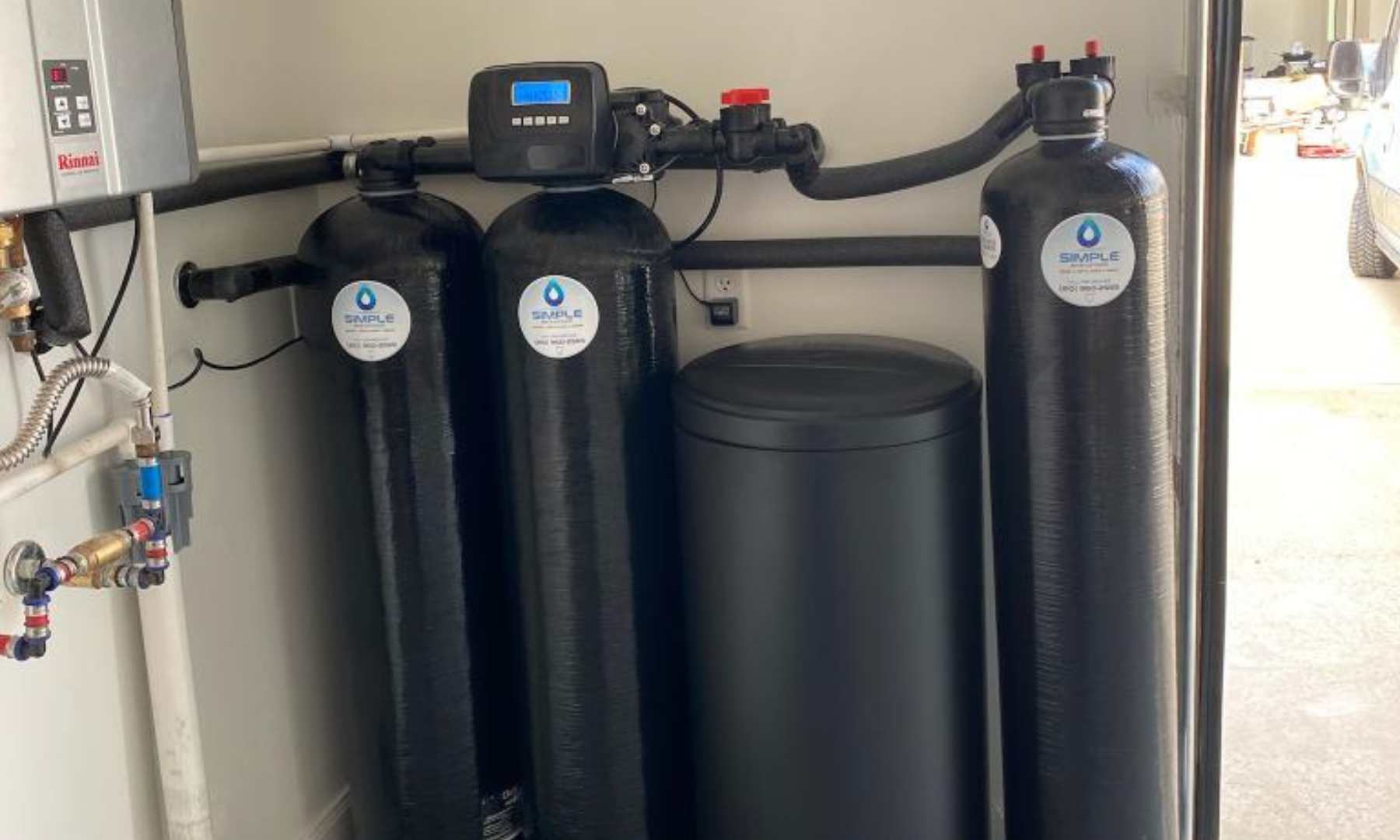
As winter comes to an end, now is the perfect time to ensure your water softener is functioning optimally before the warmer months arrive. Regular maintenance not only extends the lifespan of your system but also ensures you continue to enjoy soft, high-quality water. Here are some key signs your water softener may need maintenance, along with a checklist to keep it running efficiently.
If you start noticing soap not lathering as easily, stiff laundry, or water spots on dishes, it could mean your softener isn’t working properly. A lack of softness indicates the resin beads might be saturated with minerals and need regeneration.
Check the salt levels in your brine tank regularly. If the salt is too low, your system won’t be able to soften the water effectively. Make sure the tank is at least half full and refill it if necessary.
If your water starts to taste or smell different, it could indicate mineral buildup, stagnant water in the softener, or a malfunctioning system. Regular cleaning and maintenance can help resolve these issues.
A sudden drop in water pressure may indicate clogging in your softener’s resin bed or brine tank. Routine flushing and cleaning can help restore proper flow.
Salt bridges (hardened layers of salt forming at the top of the brine tank) and salt mushing (compacted salt forming at the bottom) can prevent proper regeneration. If you notice these formations, break them up and remove any compacted salt.
If your water softener seems to be running all the time or not regenerating as expected, it may be due to a faulty timer, control valve, or excessive resin bed saturation.
Leaks around the water softener may be due to worn-out seals, loose fittings, or cracks in the tank. Address any visible leaks promptly to prevent damage.
To keep your water softener running efficiently before spring, follow this maintenance checklist:
✅ Check Salt Levels: Ensure the brine tank is at least half full and top it off as needed.
✅ Break Up Salt Bridges: Inspect for hardened salt formations and break them up if present.
✅ Clean the Brine Tank: Empty and rinse out the tank at least once a year to remove sediment buildup.
✅ Inspect the Resin Beads: If you notice a decline in performance, consider replacing or recharging the resin beads.
✅ Flush the System: Run a manual regeneration cycle to refresh the system.
✅ Check for Leaks: Look for any signs of leaks around the unit and tighten connections as needed.
✅ Test Water Hardness: Use a test kit to ensure your softener is effectively removing minerals.
✅ Review Settings: Make sure your softener is set to the correct hardness level and regeneration schedule.
Regular maintenance of your water softener ensures your home continues to receive soft, clean water while extending the system’s lifespan. If you notice any of the warning signs above or need a professional inspection, Simple Water Softeners is here to help. Contact us today for expert maintenance services and keep your water softener running smoothly all year long!
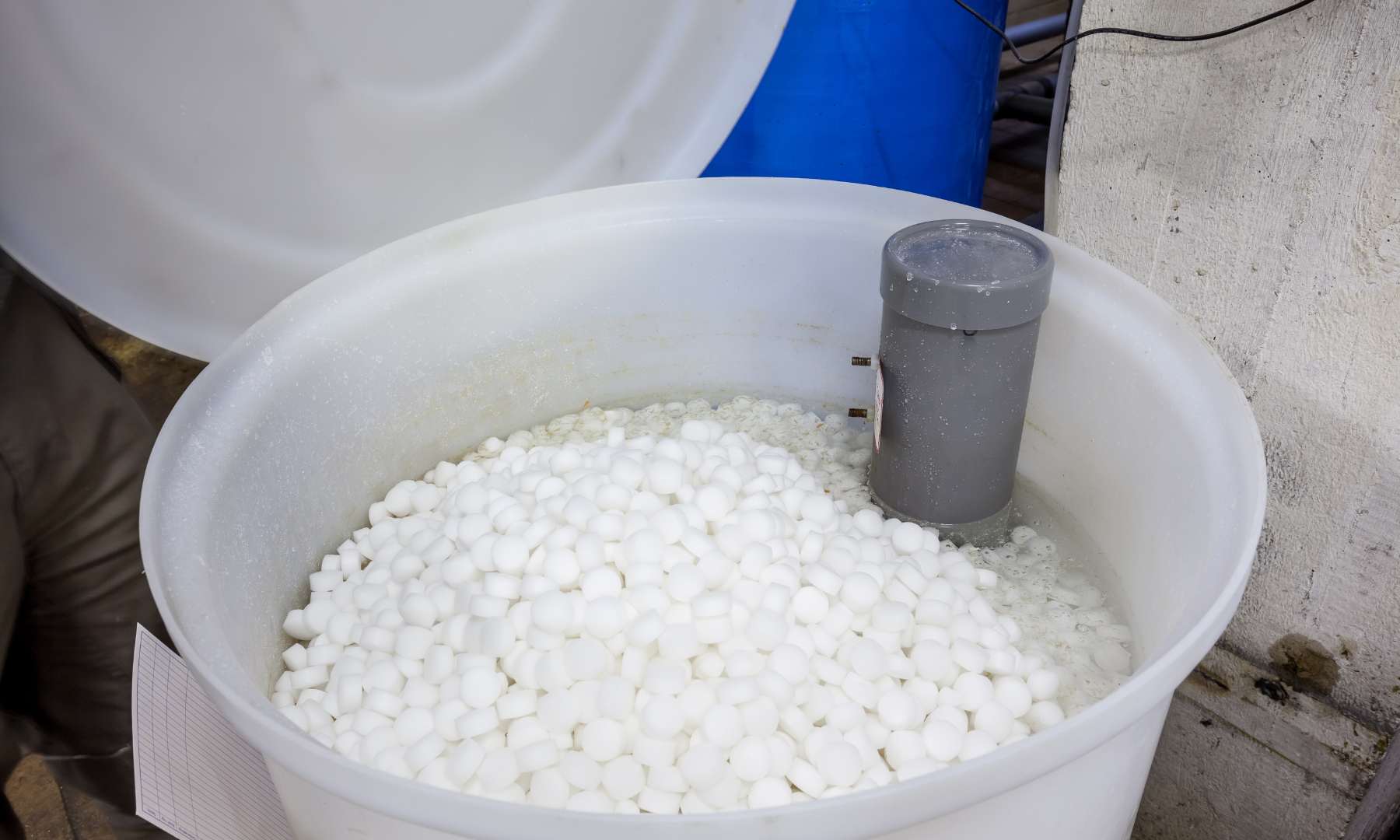
Water softeners have become much easier to troubleshoot than in the past. While repairing a water softener can be challenging, with the right knowledge, you can fix common issues and get your system back up and running in no time.
One of the most common issues with water softeners, especially in humid climates, is the formation of a salt bridge in the brine tank. This occurs when salt becomes hard and caked together, preventing it from dissolving properly during the regeneration cycle.
When you add too much salt to the brine tank, the salt can harden above the water line, forming a bridge. The softener unit regenerates and washes the salt out of the bottom of the tank during the cycle, but the hardened salt above the water line doesn’t fall to the bottom. To check for a salt bridge, gently tap the outside of the tank. If it sounds hollow, a salt bridge may have formed.
Most brine tanks have a plastic plate about six inches from the bottom. Be careful not to damage this plate when breaking up the salt. Here’s how you can break up a salt bridge safely:
For visual learners, YouTube has several helpful videos on breaking up a salt bridge.
The water softener unit requires brine water (salty water) to wash the resin during regeneration. This process helps remove calcium from the resin beads, which is then washed down the drain. Without proper brine water, the unit regenerates with plain water, which does not remove calcium from the beads. Consequently, the beads remain full of calcium, and hard water continues to flow into your home.
After breaking up a salt bridge, manually regenerate the system. Allow the salt and water to sit for about four hours to create brine water. Once regenerated, the cold water should be soft immediately, but it may take a few days for the hot water to become soft again if hard water has been an issue.
If you do not find a salt bridge or the issue persists, it’s time to call a professional. Simple Water Softeners repairs many brands and can help diagnose and fix the problem. Give us a call at (210) 960-2555, and we’ll assist you in resolving your water softener issues.
By addressing these common problems, you can ensure your water softener operates efficiently, providing your home with the soft water it needs.
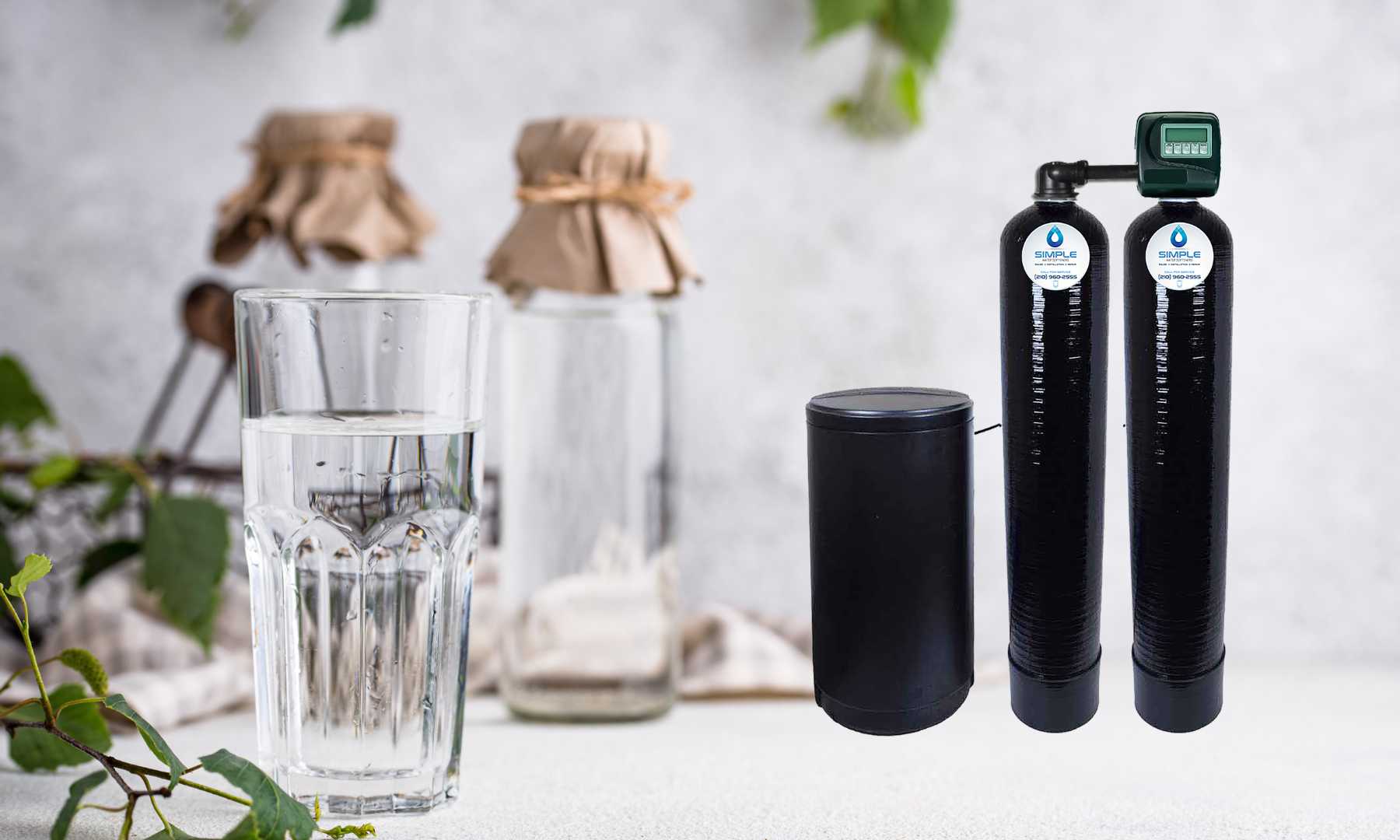
As spring blossoms, bringing new life and freshness into the world, it’s the perfect time to reflect on the purity and quality of the water in your home. Spring symbolizes renewal and rejuvenation, and what better way to embrace this season than by ensuring your family has access to clean, safe drinking water? Whole House Filtration Systems are the cornerstone of a healthy home environment, filtering out contaminants and providing peace of mind.
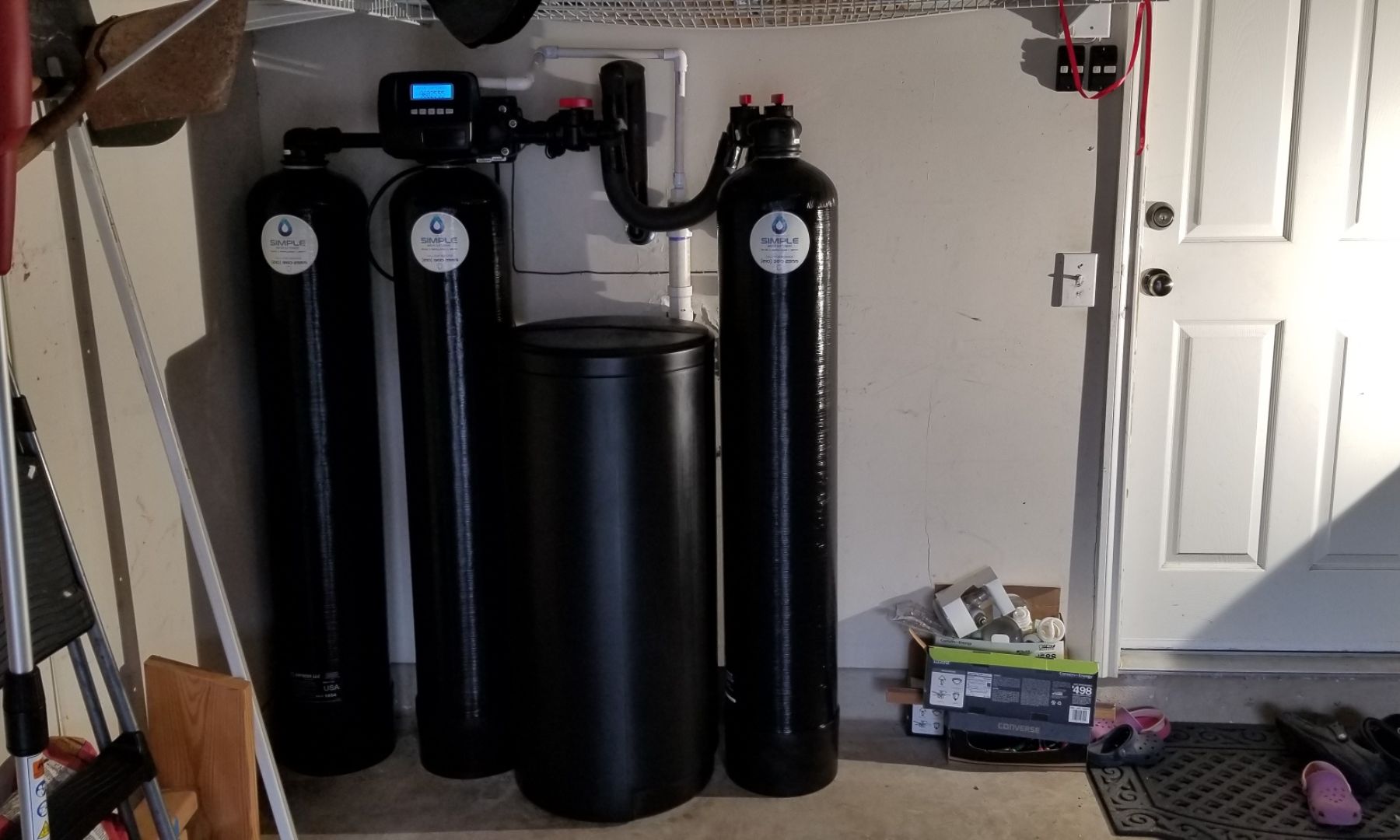
A whole house filter with carbon, commonly known as a carbon filter or activated carbon filter, is an effective and popular choice for water filtration in residential settings. Carbon filters work through a process called adsorption, where impurities and contaminants are trapped on the surface of the carbon material. This type of filter can remove a wide range of common water pollutants, making it beneficial for enhancing water quality and taste.
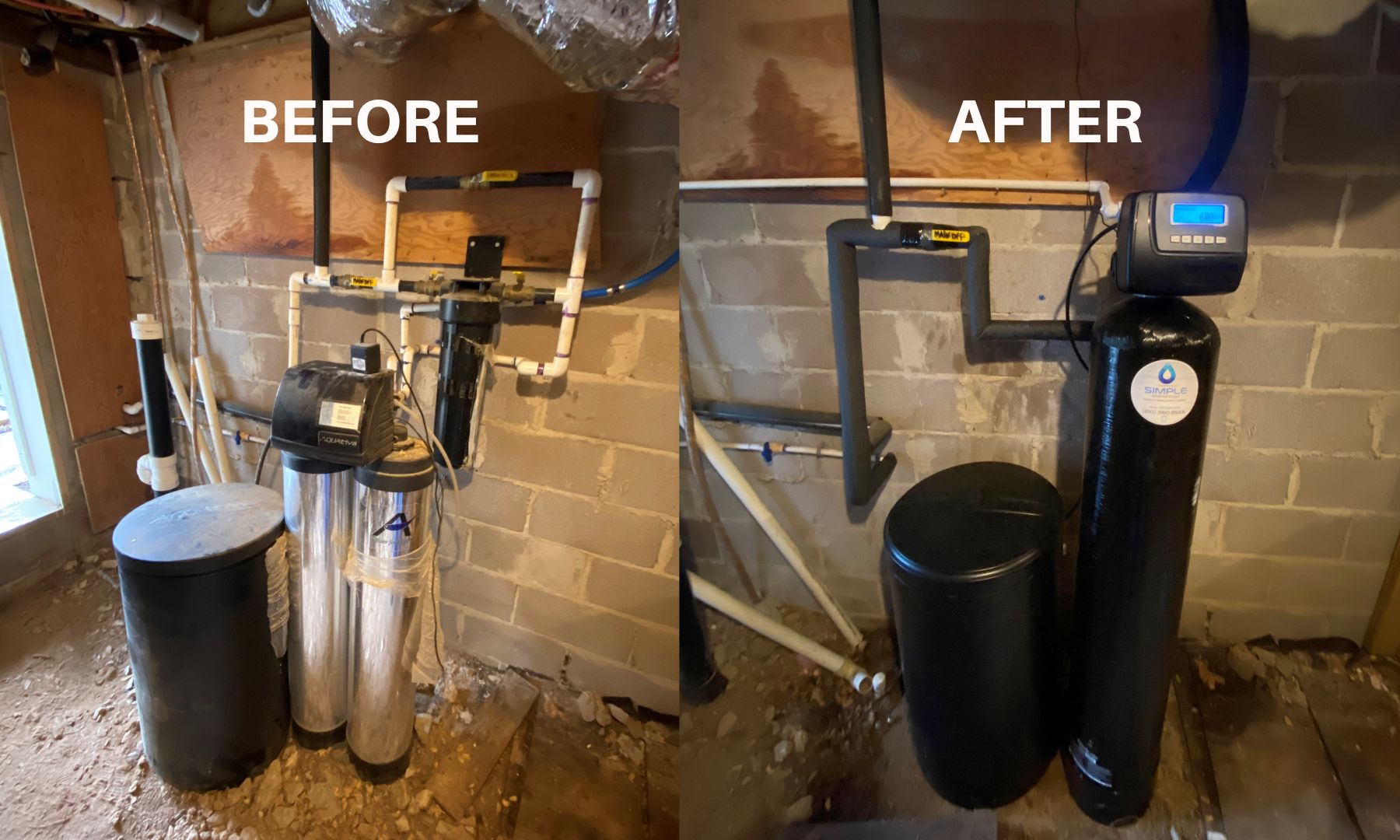
Are you tired of dealing with the hard water problems in your home? It can be exasperating to find your appliances wearing out faster than expected, or your skin feeling dry and irritated after a shower. This is where Simple Water Softeners come into the picture. With their superior quality products and commitment to making water softening simple and accessible, they have managed to grab the attention of San Antonio and surrounding areas homeowners. In this blog post, we’ll provide detailed Simple Water Softeners reviews to help you make an informed choice for your home.
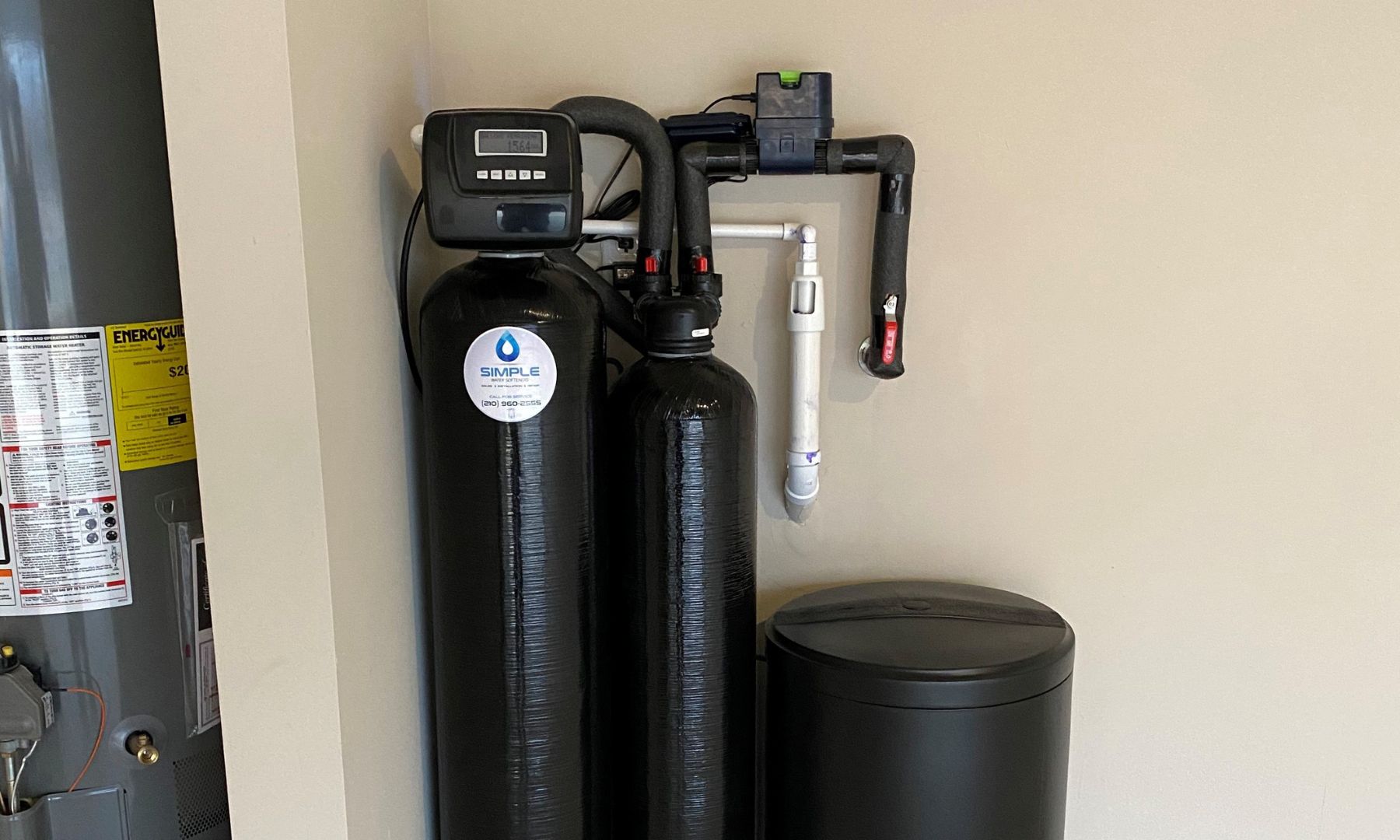
Ensuring Soft Water for Your Home: Why It Matters More Than You Think.
When it comes to investing in your new home, quality should be your top priority. You’ve likely put a lot of thought into appliances, furniture, and even the garage. But have you considered the impact of hard water on your home and possessions?
Meet the unsung hero of household appliances: the water softener. In this blog post, Lisa Bauer from Simple Water Softeners, explains the importance of having soft water in your home and how it can protect your valuable investments.

In San Antonio and its surrounding areas, water softeners are more than just a luxury; they’re an essential appliance for protecting your home and enhancing your quality of life. Just as we invest in health, auto, and home insurance, it’s important to ensure that all water-using appliances in your home are safeguarded. A water softener acts as an insurance policy for everything that comes into contact with water in your home.
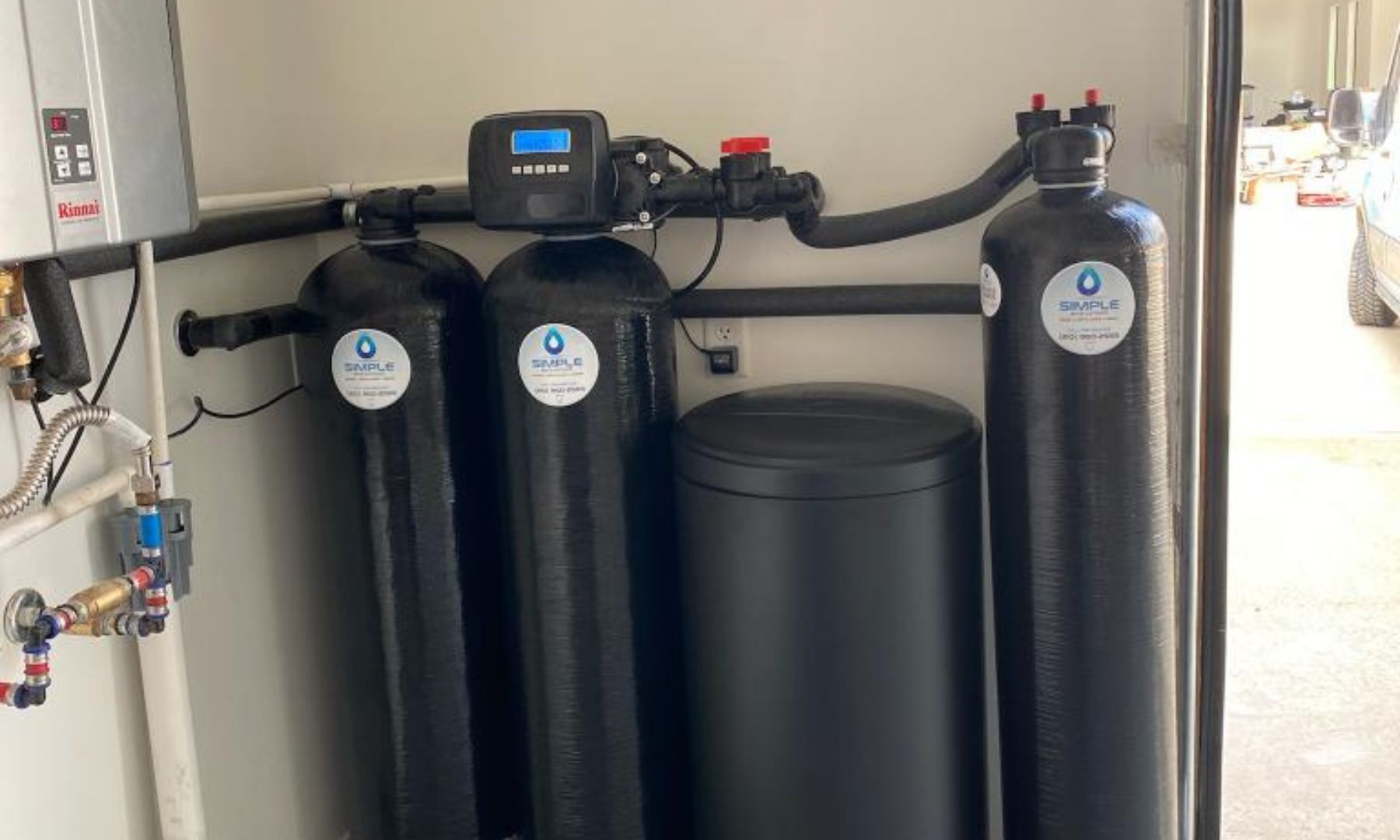
Chlorine and chloramine are both disinfectants used in water treatment systems, but they can have negative effects on your health and the environment. Installing a Whole House Filtration System can help reduce or eliminate these contaminants and provide you with clean and safe water. In this blog post, we’ll discuss the benefits of a Whole House Filtration System and how it can help you get rid of chlorine or chloramine in your water in San Antonio, Texas.
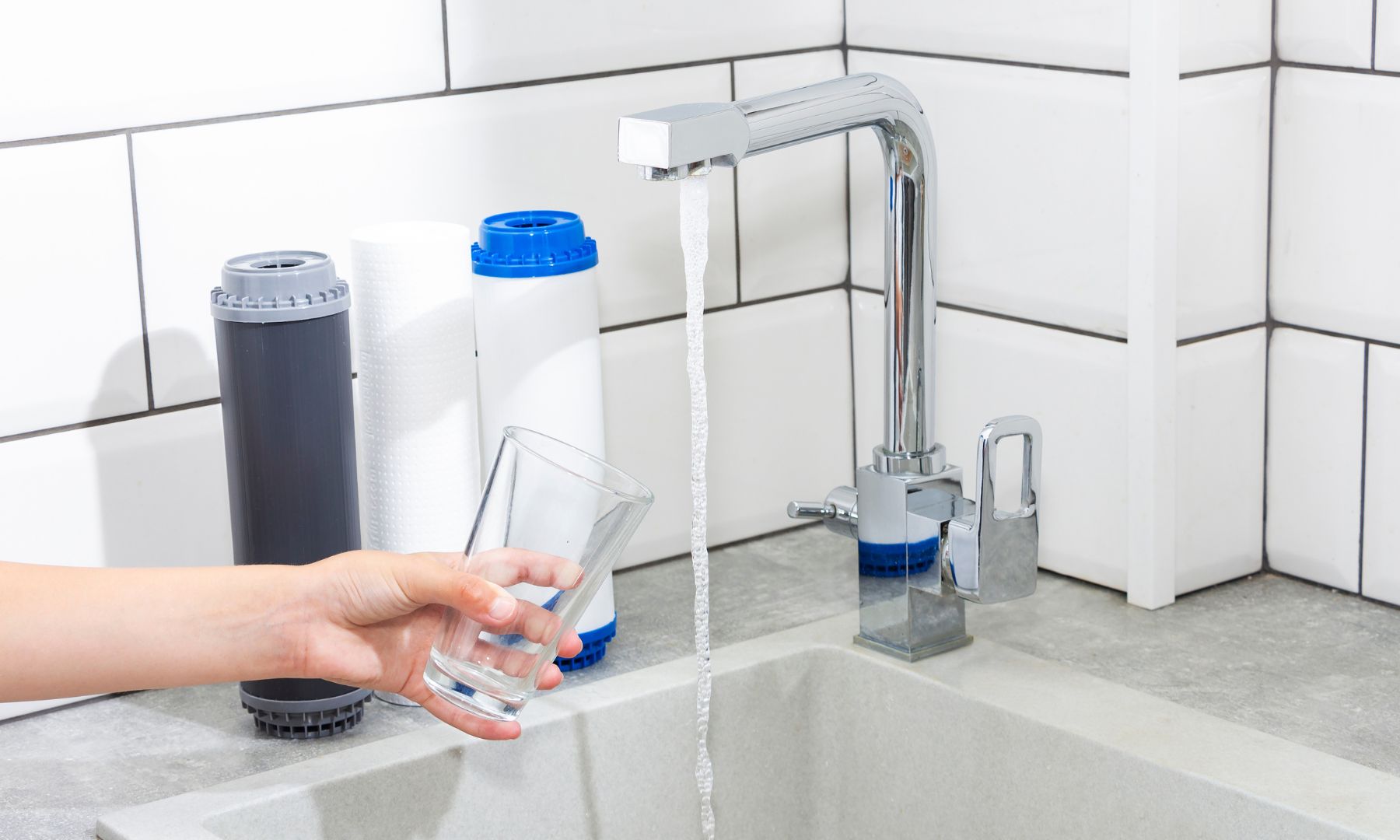
A water softener is the hardest working appliance in the house. However, this is the only device that so many will try to go the cheap way.
A water softener protects your biggest investment, YOUR HOME. Protects everything that hard water touches. The hot water heater is greatly affected by hard water. It can shorten the lifespan drastically. The washing machine, dishwasher, ice maker, coffee pots, faucets, glass in the showers are all affected by hard water and not in a good way, it’s just expensive.