
-

email us
lisa@simplewatersofteners.com
-

Call Us
(210) 960-2555
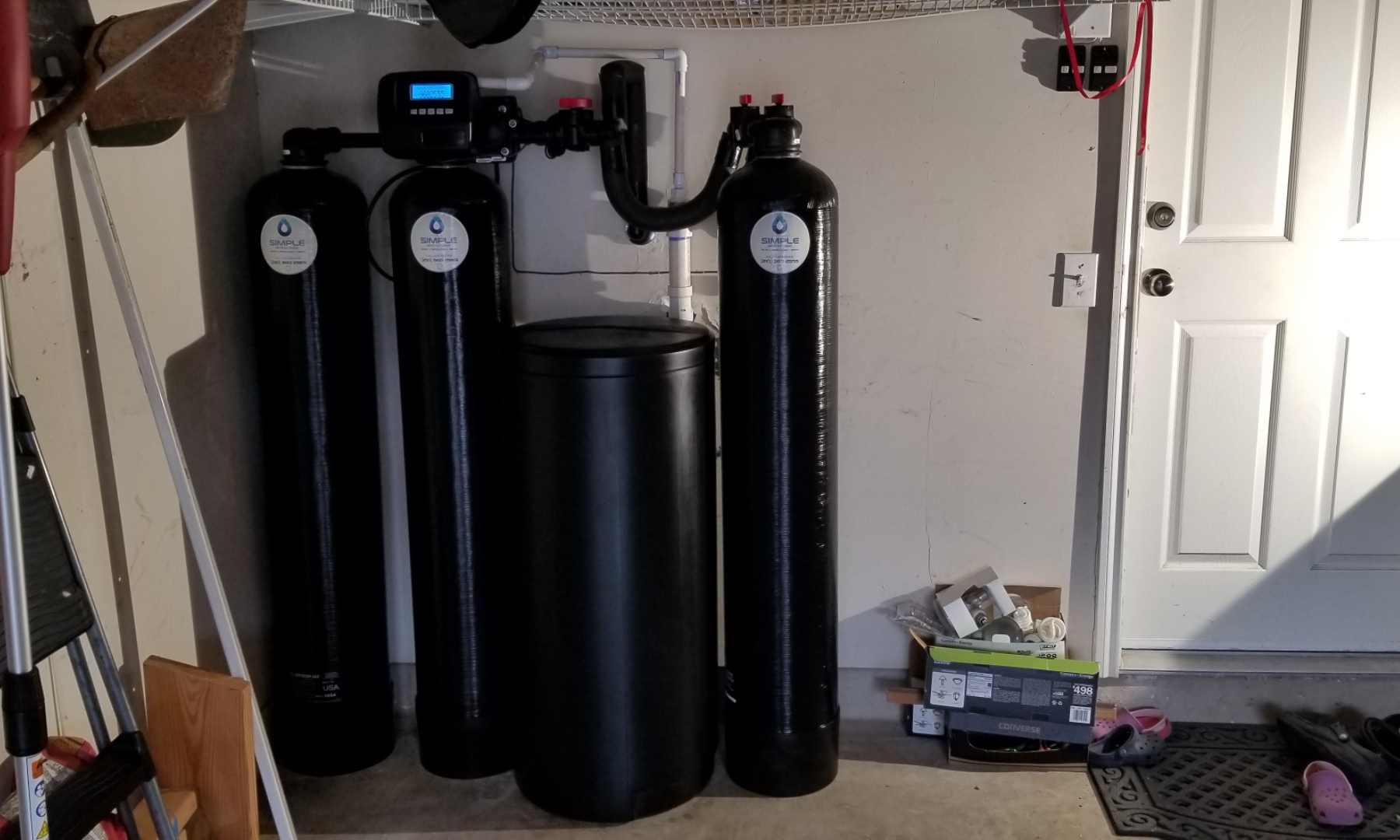
Summer in San Antonio means high heat, increased water usage, and greater stress on your home’s plumbing and appliances. If you rely on a water softener to protect your pipes and keep your water comfortable, now is the perfect time to give it a quick check-up.
Here’s a simple, step-by-step maintenance checklist to ensure your water softener is running smoothly throughout the hottest months of the year.
Salt is the key to your softener’s regeneration process.
Over time, sludge and build-up can reduce your softener’s efficiency.
San Antonio’s hot, dry weather can worsen minor issues over time.
Ensure your system is actually softening water effectively.
Annual professional maintenance can extend the life of your system.
Mark your calendar for monthly salt checks throughout the summer. Increased water use (lawn watering, showers, etc.) means your softener works harder and uses more salt.
Don’t let hard water issues creep up during the peak of summer. A quick 15-minute maintenance check can help you avoid costly repairs, protect your appliances, and ensure your family enjoys clean, soft water all season long.
Need help with your system or ready to schedule a summer check-up? Contact Simple Water Softeners today at (210) 960-2555 or visit simplewatersofteners.com to book your service.
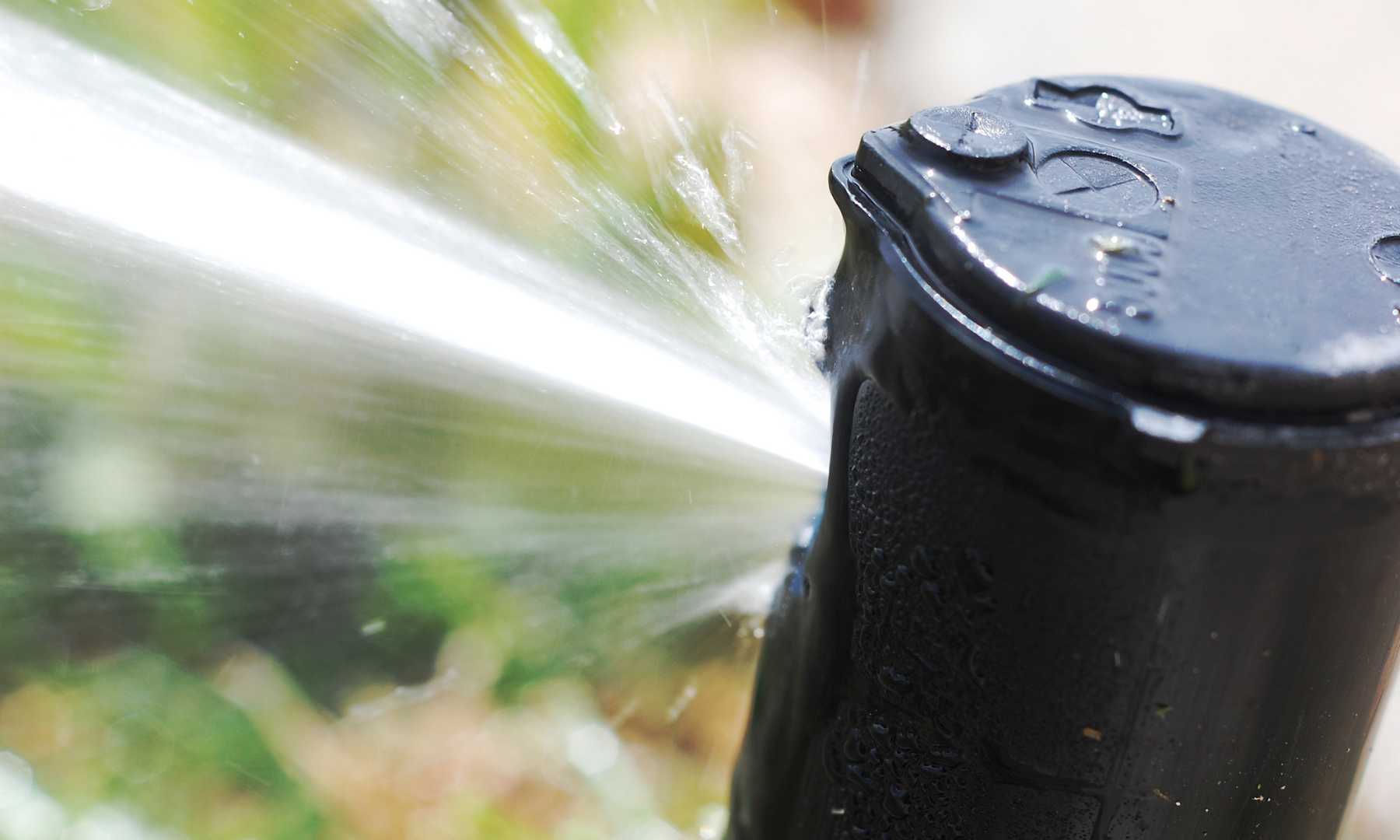
In San Antonio, hard water is more than just a nuisance—it can quietly wreak havoc on your home, appliances, and even your lawn irrigation system. While many homeowners focus on water quality inside the house, your sprinkler system and outdoor plumbing are also highly vulnerable to the damaging effects of mineral-rich water.
At Simple Water Softeners, we’re here to explain how hard water can impact your irrigation system—and what you can do to protect it.
Hard water contains high levels of calcium and magnesium, naturally occurring minerals that build up over time. San Antonio is known for its particularly hard water, making it a common issue for homeowners in the area.
As hard water flows through your irrigation system, it leaves behind mineral deposits—commonly known as limescale. These deposits can:
Eventually, your system may start spraying poorly or not at all, leading to brown patches and wasted water.
Mineral buildup doesn’t stop at the sprinkler heads. Over time, limescale can accumulate inside your irrigation system’s piping and valves, restricting water pressure and damaging essential components.
This leads to:
Hard water is less efficient at hydrating your lawn. The minerals in the water can alter soil composition, making it harder for grass roots to absorb moisture.
The result?
You may end up using more water than necessary, increasing your utility bills without improving your lawn’s health.
The long-term effects of hard water can shorten the lifespan of your irrigation system. Corrosion, blockages, and valve failures are more common in systems that rely on untreated hard water.
Installing a whole-home water softener helps remove excess minerals from your water before it ever reaches your irrigation system. This offers key benefits:
With summer just around the corner, your lawn is about to demand more attention—and water. Don’t let hard water compromise your irrigation system or increase your maintenance costs.
At Simple Water Softeners, we specialize in affordable, effective water softening solutions built for San Antonio’s hard water conditions. Whether you’re looking to protect your landscaping, plumbing, or appliances, our systems are designed to make your home run smoother inside and out.
Contact us today for a free consultation and learn how soft water can make a big difference—both indoors and in your yard.
San Antonio is known for its rich history, vibrant culture, and—unfortunately—its hard water. If you’ve noticed white spots on dishes, dry skin after showers, or scale buildup on appliances, you’re dealing with hard water. But what exactly is the difference between hard and soft water, and why does it matter for your home? Let’s break it down.
Hard water contains high levels of dissolved minerals, primarily calcium and magnesium. While not harmful to drink, it can cause a range of household problems, including:
Soft water is free of excessive minerals because it has been treated through a water softener. The softening process removes calcium and magnesium, replacing them with small amounts of sodium or potassium. This leads to several benefits:
A water softener removes hard minerals through a process called ion exchange. As water passes through the softener’s resin beads, calcium and magnesium ions are exchanged for sodium or potassium ions. The result? Water that feels silkier, cleans better, and protects your home from scale buildup.
Absolutely! San Antonio has some of the hardest water in Texas, with mineral levels often exceeding 15 grains per gallon (gpg)—well above the threshold for “very hard” water (7 gpg or higher). That means most homes in the area are dealing with hard water problems daily.
If you’re tired of dealing with the effects of hard water, it’s time to invest in a quality water softener. At Simple Water Softeners, we provide expert solutions tailored to your home’s needs. Whether you need a new system or maintenance for your existing one, we’ve got you covered.
🔹 Contact us today to learn more about our top-rated water softeners in San Antonio.
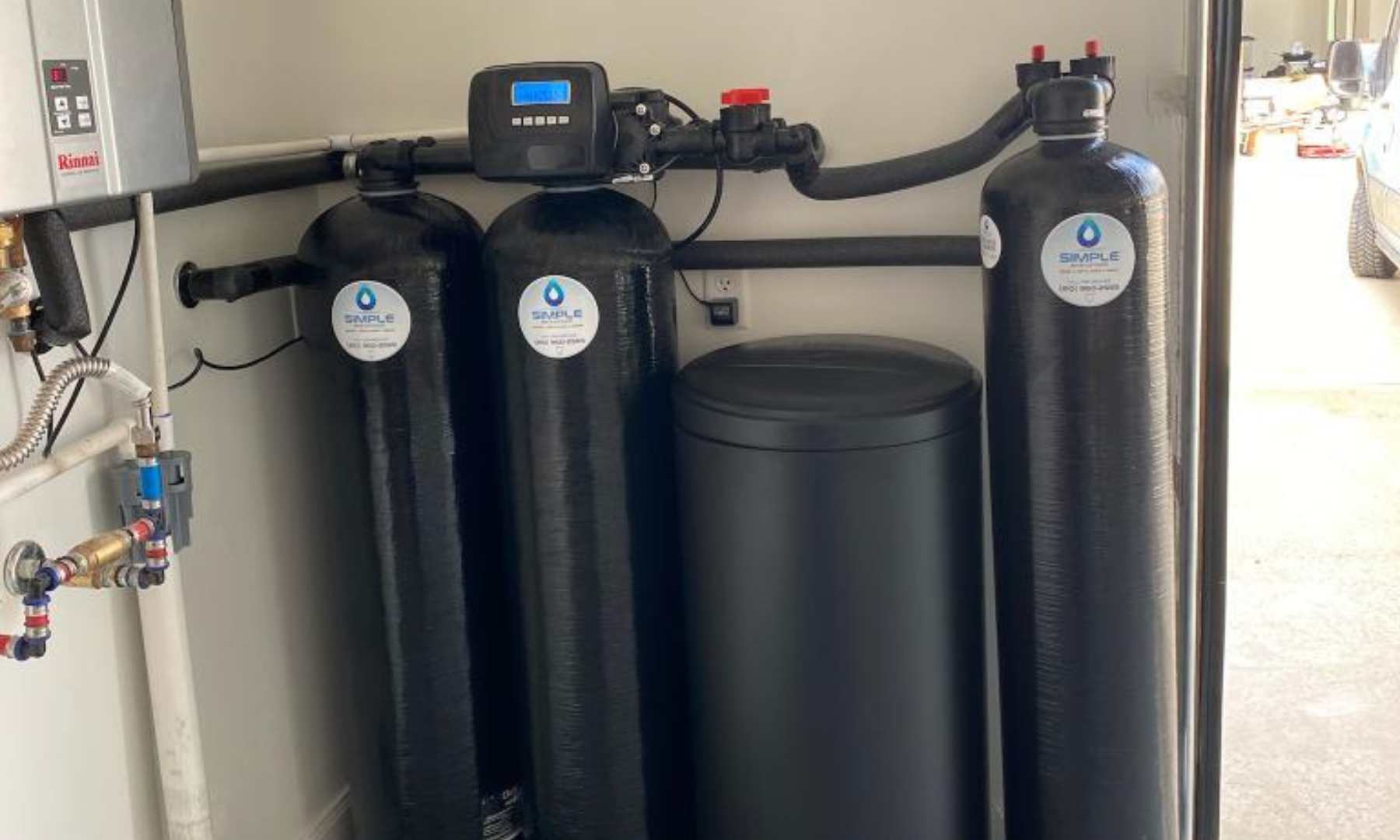
As winter comes to an end, now is the perfect time to ensure your water softener is functioning optimally before the warmer months arrive. Regular maintenance not only extends the lifespan of your system but also ensures you continue to enjoy soft, high-quality water. Here are some key signs your water softener may need maintenance, along with a checklist to keep it running efficiently.
If you start noticing soap not lathering as easily, stiff laundry, or water spots on dishes, it could mean your softener isn’t working properly. A lack of softness indicates the resin beads might be saturated with minerals and need regeneration.
Check the salt levels in your brine tank regularly. If the salt is too low, your system won’t be able to soften the water effectively. Make sure the tank is at least half full and refill it if necessary.
If your water starts to taste or smell different, it could indicate mineral buildup, stagnant water in the softener, or a malfunctioning system. Regular cleaning and maintenance can help resolve these issues.
A sudden drop in water pressure may indicate clogging in your softener’s resin bed or brine tank. Routine flushing and cleaning can help restore proper flow.
Salt bridges (hardened layers of salt forming at the top of the brine tank) and salt mushing (compacted salt forming at the bottom) can prevent proper regeneration. If you notice these formations, break them up and remove any compacted salt.
If your water softener seems to be running all the time or not regenerating as expected, it may be due to a faulty timer, control valve, or excessive resin bed saturation.
Leaks around the water softener may be due to worn-out seals, loose fittings, or cracks in the tank. Address any visible leaks promptly to prevent damage.
To keep your water softener running efficiently before spring, follow this maintenance checklist:
✅ Check Salt Levels: Ensure the brine tank is at least half full and top it off as needed.
✅ Break Up Salt Bridges: Inspect for hardened salt formations and break them up if present.
✅ Clean the Brine Tank: Empty and rinse out the tank at least once a year to remove sediment buildup.
✅ Inspect the Resin Beads: If you notice a decline in performance, consider replacing or recharging the resin beads.
✅ Flush the System: Run a manual regeneration cycle to refresh the system.
✅ Check for Leaks: Look for any signs of leaks around the unit and tighten connections as needed.
✅ Test Water Hardness: Use a test kit to ensure your softener is effectively removing minerals.
✅ Review Settings: Make sure your softener is set to the correct hardness level and regeneration schedule.
Regular maintenance of your water softener ensures your home continues to receive soft, clean water while extending the system’s lifespan. If you notice any of the warning signs above or need a professional inspection, Simple Water Softeners is here to help. Contact us today for expert maintenance services and keep your water softener running smoothly all year long!
Water softeners play a crucial role in combating the hard water issues that are common in San Antonio. However, there are many myths and misconceptions surrounding these systems, which can lead homeowners to misunderstand their benefits or hesitate to invest in one. This fall, let’s debunk some of the most common myths about water softeners and set the record straight for San Antonio homeowners.
One of the most widespread myths is that water softeners add salt to your drinking water, making it taste salty. In reality, water softeners don’t add salt to the water supply. Instead, they use a process called ion exchange, where sodium ions replace the hard minerals like calcium and magnesium. The amount of sodium introduced into the water is minimal and generally imperceptible.
Some people believe that soft water, because of the small sodium content, could be harmful to your health. This is particularly concerning for individuals on low-sodium diets. However, the sodium levels added by water softeners are extremely low. In fact, an 8-ounce glass of softened water contains less sodium than a slice of bread.
Some homeowners worry that water softeners use too much water during the regeneration process. While older models may have been less efficient, modern water softeners are designed to minimize water usage. Additionally, newer systems can be programmed to regenerate only when necessary, making them far more eco-friendly than their predecessors.
There’s a common belief that softened water, because it contains sodium, is harmful to plants. While it’s true that sodium can affect plant growth, the amount present in softened water is usually not enough to cause any damage to hardier plants. Delicate plants like orchids and African violets use water from outside or a reverse osmosis. That said, for outdoor irrigation the hose bibs should be plumbed hard water.
Many homeowners assume that the cost of maintaining a water softener outweighs the benefits. However, regular maintenance is simple and inexpensive. The primary maintenance task is ensuring there’s enough salt in the brine tank, which is a low-cost investment. Additionally, the long-term savings on plumbing repairs, appliance longevity, and reduced energy bills far outweigh the minimal maintenance costs.
Some homeowners in San Antonio believe that hard water isn’t a significant issue, and a water softener isn’t necessary. However, San Antonio’s water is notoriously hard, with high levels of calcium and magnesium that can damage pipes, appliances, and even your skin and hair over time.
Soft water can feel different than hard water, often described as “slippery” or “slimy.” This sensation is due to the absence of hard minerals like calcium and magnesium, which tend to leave a film on your skin. Soft water allows soap to lather and rinse off more effectively, leaving your skin feeling cleaner rather than coated with a mineral residue.
Some homeowners worry that water softeners, especially those that use salt, may harm the environment. While there is some concern over the discharge of salt into wastewater systems, advancements in technology have made water softeners much more eco-friendly. Water softeners work off gallons used. So it is important to have your system set up properly. Moreover, they reduce energy consumption by preventing scale buildup in water heaters and other appliances.
Conclusion: Understanding the truth behind these myths can help San Antonio homeowners make informed decisions about water softeners. With San Antonio’s hard water challenges, having a water softener is more than just a luxury—it’s a necessity. By debunking these common misconceptions, you can confidently invest in a water softening system that will protect your home and improve your quality of life. For more information or to schedule a consultation, contact Simple Water Softeners today!
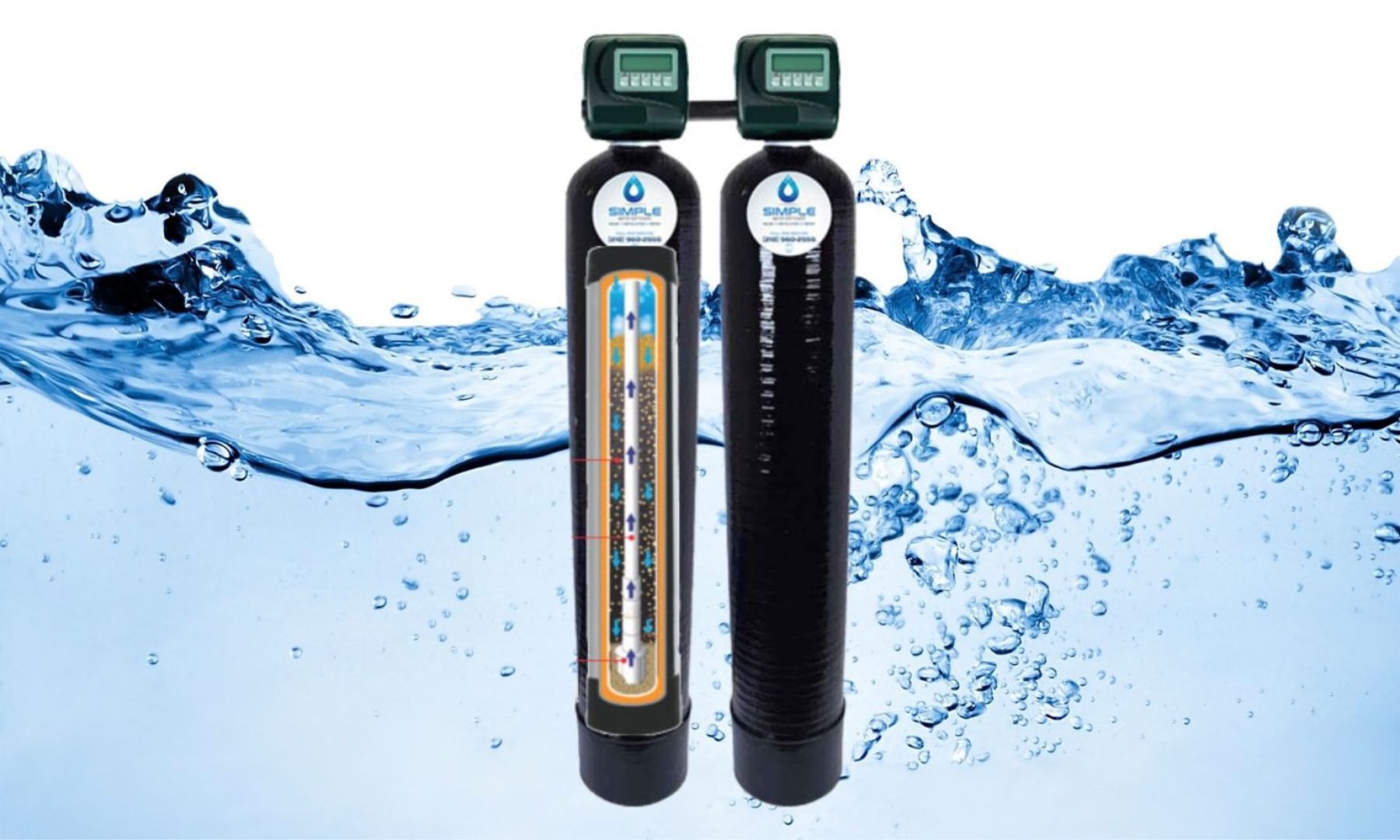
Drought conditions are no stranger to San Antonio residents. With the hot Texas sun bearing down, water levels can drop, and the city often faces water restrictions. During these challenging times, maintaining high water quality in your home becomes even more crucial. One of the key ways to ensure this is through the use of water softeners. In this blog post, we’ll explore how water softeners can help improve water quality during drought conditions and provide practical tips on conserving water while still benefiting from softened water.
San Antonio is known for its hard water, which contains high levels of calcium, magnesium, and other minerals. These minerals can cause a range of problems, from scaling in pipes and appliances to dry skin and dull hair. During drought conditions, these issues can be exacerbated as the mineral concentration in the water can increase due to lower water levels. This makes it even more important to have a water softener in place to help combat the effects of hard water.
Water softeners work by removing the minerals that cause hardness, resulting in softer, more manageable water. Here’s how they can be particularly beneficial during drought conditions:
While water softeners are great for improving water quality, it’s still important to be mindful of water usage, especially during droughts. Here are some tips to help you conserve water while still enjoying the benefits of softened water:
Water softeners play a crucial role in maintaining water quality, especially during the drought conditions often faced by San Antonio residents. By reducing scale buildup, improving soap efficiency, and protecting appliances, water softeners help ensure that you continue to enjoy high-quality water even during dry spells. By following water conservation tips and using your water softener efficiently, you can help make the most of your water supply while still enjoying the many benefits of softened water.
If you’re ready to improve your water quality and make your home more drought-resilient, consider investing in a high-quality water softener from Simple Water Softeners. Contact us today to learn more!
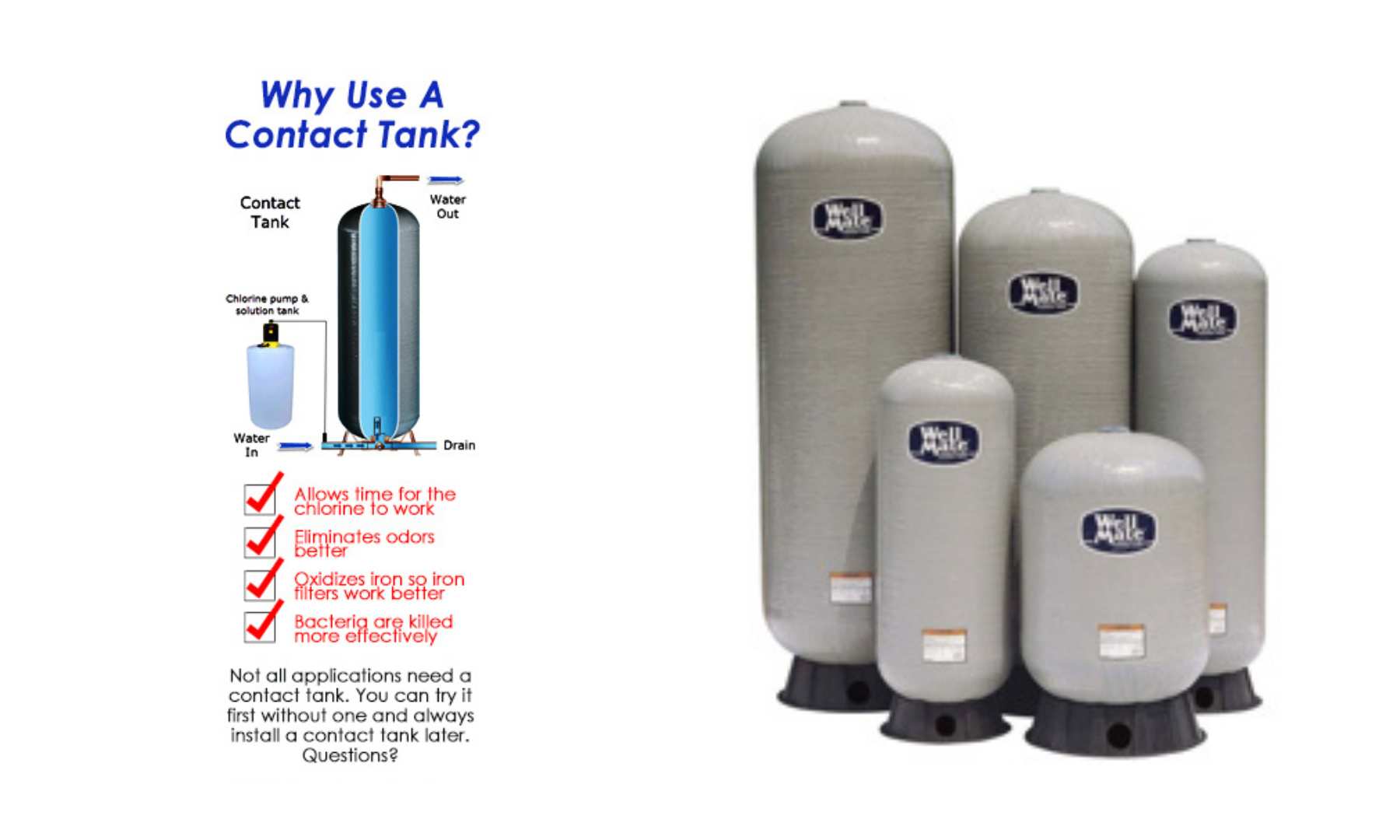
At Simple Water Softeners, we understand the unique water treatment needs of San Antonio residents. The hard water prevalent in our area requires specialized solutions to ensure the highest quality water for your home. One crucial component of our water treatment systems is the retention tank. Retention tanks play a vital role in ensuring that your water is not only softened but also safe and free from harmful contaminants. In this blog post, we will explore the significance of retention tanks in chemical treatment processes and highlight the features of our durable and efficient retention tanks specifically designed for San Antonio homes.
A retention tank is a storage tank that holds water for a specified period, allowing for adequate contact time during chemical treatment. This contact time is essential for the effective removal of contaminants and the proper functioning of the water treatment process. Retention tanks are especially important in systems that use chemicals to treat water, as they ensure that the chemicals have enough time to interact with the water and perform their intended functions.
During chemical treatment, various chemicals are added to the water to eliminate impurities, neutralize harmful substances, and improve overall water quality. For these chemicals to work effectively, they need sufficient time to react with the water. This is where retention tanks come into play. By providing a controlled environment for the water to reside in, retention tanks ensure that the chemicals have the necessary contact time to achieve optimal results.
At Simple Water Softeners, we take pride in offering top-of-the-line retention tanks that are designed to meet the highest standards of quality and durability. Here are some key features of our retention tanks:
When it comes to water treatment in San Antonio, quality and reliability are paramount. At Simple Water Softeners, we are committed to providing our customers with the best solutions to meet their water quality needs. Our retention tanks are just one example of our dedication to excellence. By choosing our products, you can trust that you are investing in a system that will deliver superior performance and long-term benefits for your home.
As a local business, we understand the specific challenges that San Antonio residents face with their water quality. Our team is familiar with the unique characteristics of the area’s water supply and is equipped to provide customized solutions that address these issues effectively. From the initial consultation to installation and ongoing maintenance, Simple Water Softeners is your trusted partner for all your water treatment needs in San Antonio.
Retention tanks are a critical component of effective water treatment systems, especially in areas with hard water like San Antonio. They ensure that chemicals have the necessary contact time to interact with the water, leading to the removal of contaminants and the enhancement of water quality. At Simple Water Softeners, our durable, lightweight, and non-corrosive retention tanks are designed to provide optimal performance and reliability. Trust us to deliver the best water treatment solutions for your San Antonio home. Contact us today to learn more about our products and how we can help you achieve the highest quality water for your home.
Water softeners have become much easier to troubleshoot than in the past. While repairing a water softener can be challenging, with the right knowledge, you can fix common issues and get your system back up and running in no time.
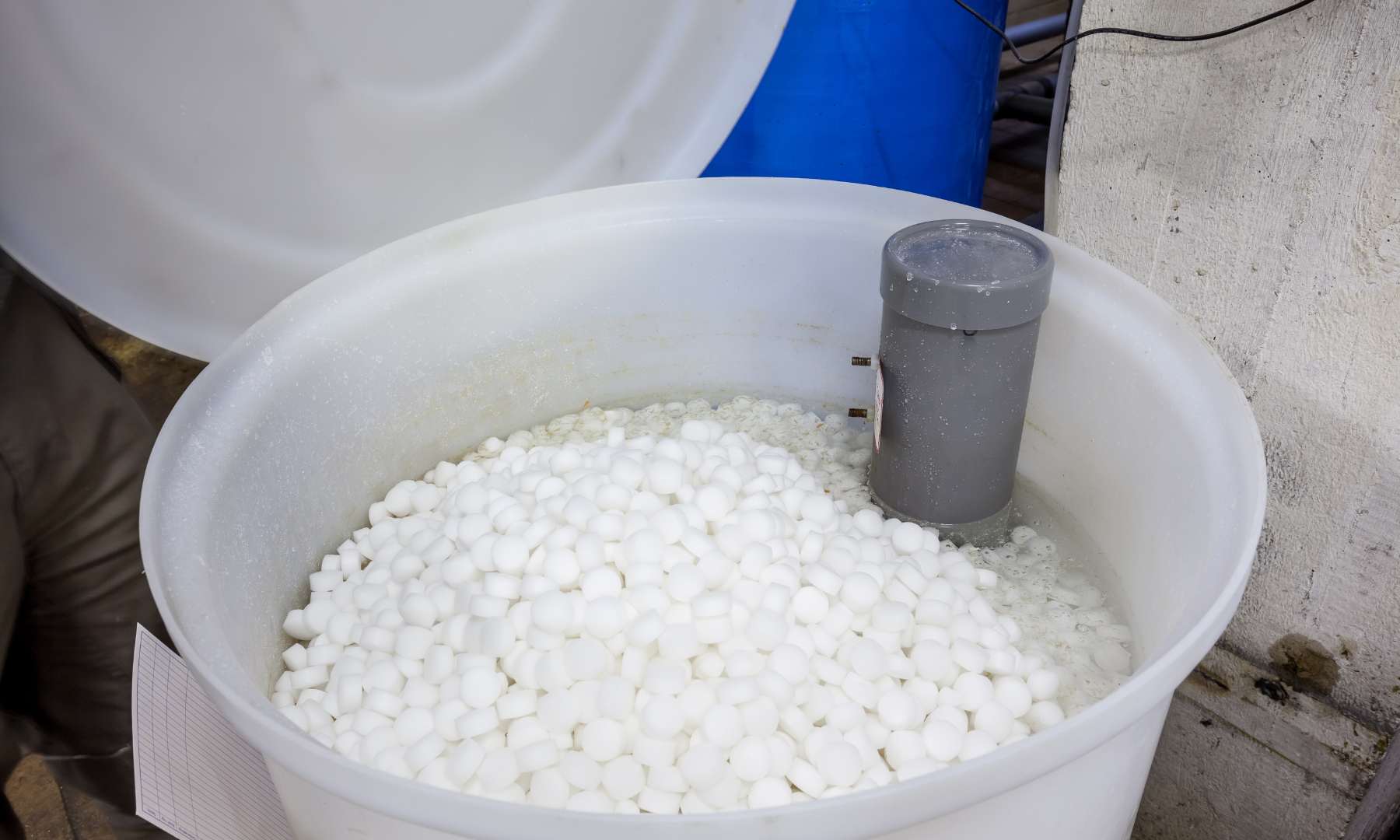
One of the most common issues with water softeners, especially in humid climates, is the formation of a salt bridge in the brine tank. This occurs when salt becomes hard and caked together, preventing it from dissolving properly during the regeneration cycle.
When you add too much salt to the brine tank, the salt can harden above the water line, forming a bridge. The softener unit regenerates and washes the salt out of the bottom of the tank during the cycle, but the hardened salt above the water line doesn’t fall to the bottom. To check for a salt bridge, gently tap the outside of the tank. If it sounds hollow, a salt bridge may have formed.
Most brine tanks have a plastic plate about six inches from the bottom. Be careful not to damage this plate when breaking up the salt. Here’s how you can break up a salt bridge safely:
For visual learners, YouTube has several helpful videos on breaking up a salt bridge.
The water softener unit requires brine water (salty water) to wash the resin during regeneration. This process helps remove calcium from the resin beads, which is then washed down the drain. Without proper brine water, the unit regenerates with plain water, which does not remove calcium from the beads. Consequently, the beads remain full of calcium, and hard water continues to flow into your home.
After breaking up a salt bridge, manually regenerate the system. Allow the salt and water to sit for about four hours to create brine water. Once regenerated, the cold water should be soft immediately, but it may take a few days for the hot water to become soft again if hard water has been an issue.
If you do not find a salt bridge or the issue persists, it’s time to call a professional. Simple Water Softeners repairs many brands and can help diagnose and fix the problem. Give us a call at (210) 960-2555, and we’ll assist you in resolving your water softener issues.
By addressing these common problems, you can ensure your water softener operates efficiently, providing your home with the soft water it needs.
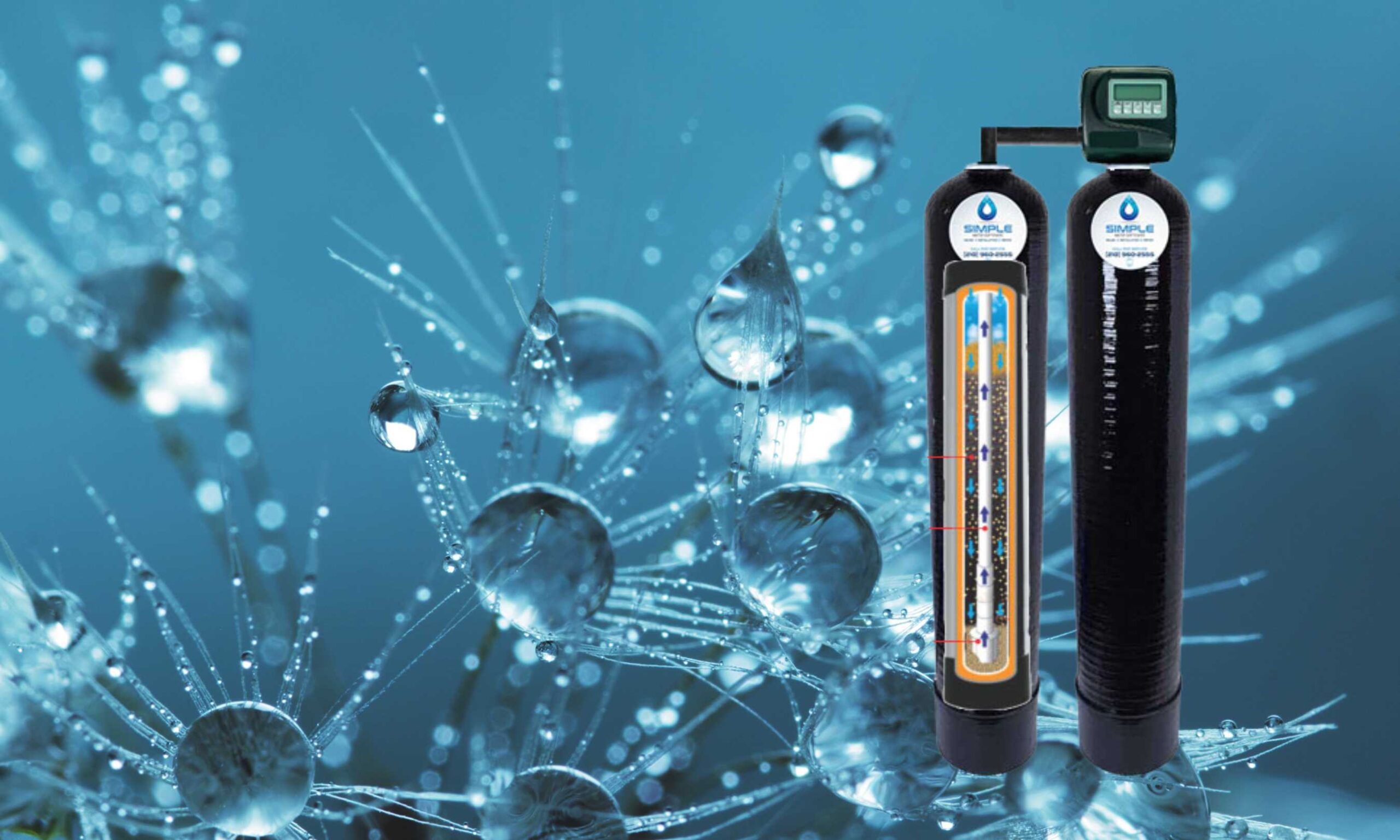
Water softening is a crucial process for many homeowners in San Antonio, where the tap water is known for its hardness. This hard water can lead to various issues, from scale buildup in plumbing to inefficiencies in home appliances. Understanding the science behind water softening and its benefits can help San Antonio residents make informed decisions about managing their water quality. This article explores how water softeners work and why they are essential for homes in the region.
San Antonio’s water supply is characterized by high levels of minerals, primarily calcium and magnesium, which make the water “hard.” While not harmful to health, these minerals can cause lime-scale buildup in pipes and appliances, reducing efficiency and leading to costly repairs. Hard water also affects soap’s ability to lather, leading to higher consumption of cleaning products and a less satisfying bathing experience.
Water softeners address the hard water problem through a process known as ion exchange. The science is straightforward but effective:
Soft water minimizes scale buildup in appliances like water heaters, dishwashers, and washing machines, extending their lifespan and maintaining their efficiency.
Soft water reacts more effectively with soap and detergents, creating a better lather and reducing the amount of product needed for cleaning tasks.
Scale buildup from hard water can insulate heating elements, making them less efficient. Soft water maintains the efficiency of water heaters, potentially lowering energy costs.
Soft water reduces the risk of lime-scale deposits in plumbing, maintaining water flow and preventing blockages and corrosion over time.
Soft water is gentler on the skin and hair, helping to maintain natural oils and preventing the dryness often associated with hard water.
For San Antonio homes grappling with hard water challenges, investing in a water softener is not just about enhancing the quality of water—it’s about protecting your home and improving your quality of life. Understanding the science behind water softening highlights its importance and benefits, providing a clear solution to the region’s water quality issues. By embracing water softening technology, San Antonio residents can enjoy cleaner, more efficient homes and a better overall water experience.
Don’t let hard water compromise your home and lifestyle.
Simple Water Softeners is here to help you tackle San Antonio’s unique water quality challenges head-on. Contact us today to explore the best water softening solutions tailored specifically for your home. Our team of experts is ready to guide you through selecting the perfect system to protect your appliances, plumbing, and ensure your family enjoys the comfort of soft water every day. Make the switch to soft water with Simple Water Softeners now, and take the first step towards a more efficient, comfortable home.
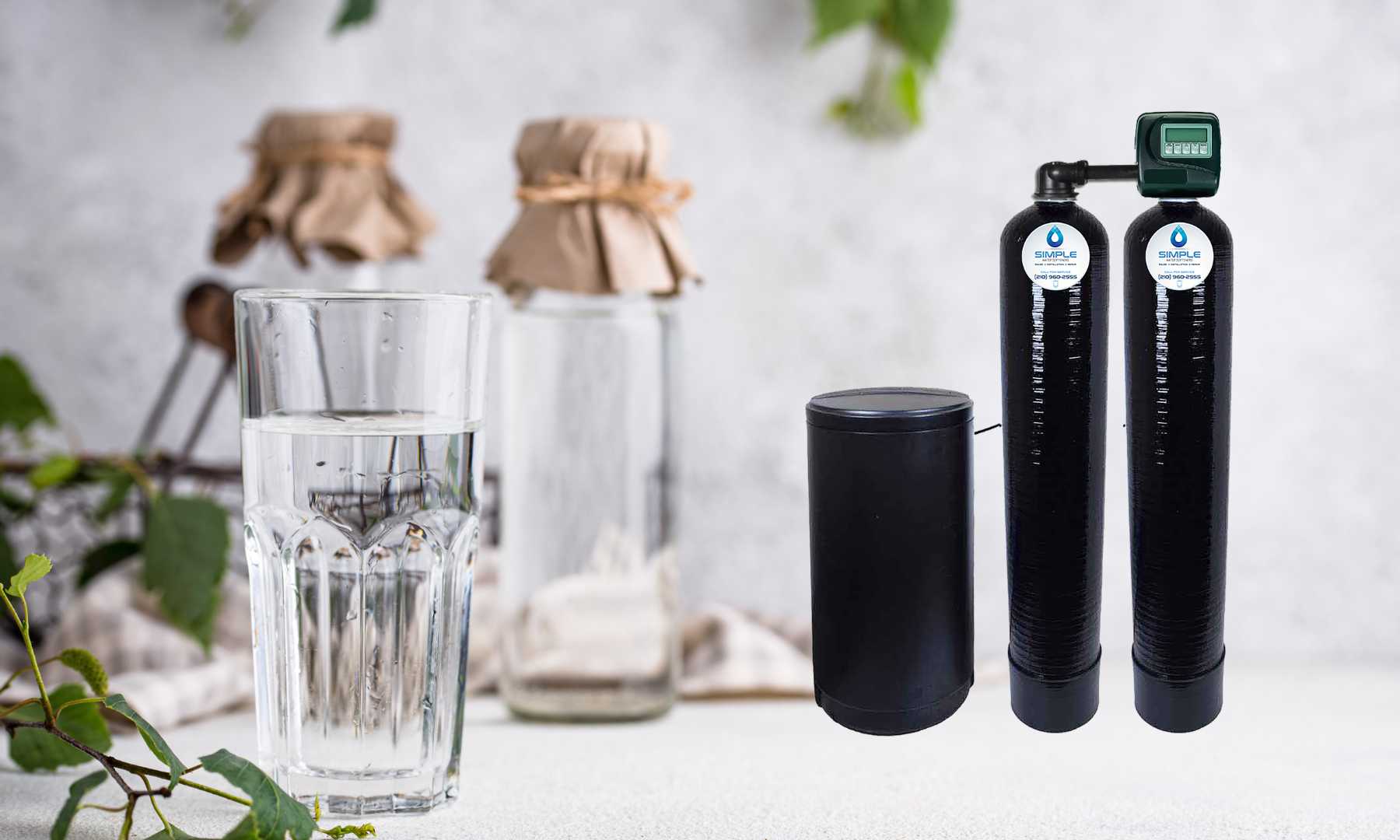
As spring blossoms, bringing new life and freshness into the world, it’s the perfect time to reflect on the purity and quality of the water in your home. Spring symbolizes renewal and rejuvenation, and what better way to embrace this season than by ensuring your family has access to clean, safe drinking water? Whole House Filtration Systems are the cornerstone of a healthy home environment, filtering out contaminants and providing peace of mind.